


Send Message
Privacy statement: Your privacy is very important to Us. Our company promises not to disclose your personal information to any external company with out your explicit permission.
 SICHUAN FOREVER RADIATION TECHNOLOGY CO.,LTD


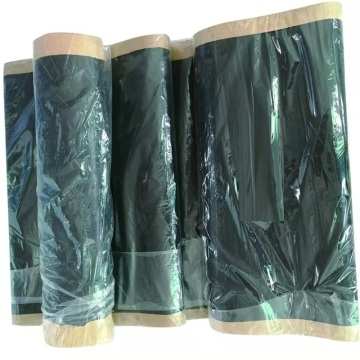


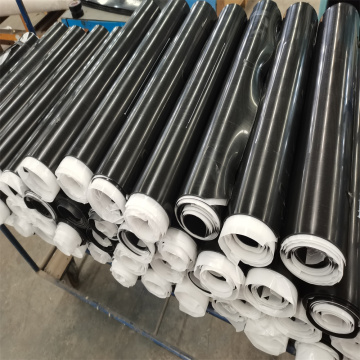


A Fiberglass Reinforced Closure Patch is a specialized pipeline repair component designed to provide immediate structural integrity and long-term corrosion protection for damaged pipelines. It typically consists of a high-strength fiberglass mesh impregnated with a thermosetting resin or adhesive system, encased in a protective film.
Unlike standard cold-applied tapes that rely solely on adhesion, the fiberglass reinforcement acts as a "bandage" that distributes mechanical stress across the patch area. This makes it ideal for repairing cracks, gouges, and broken wraps without shutting down operations.
Key Benefit: Eliminates the need for hot work permits and shutdowns, allowing you to secure critical assets safely while maintaining flow continuity.
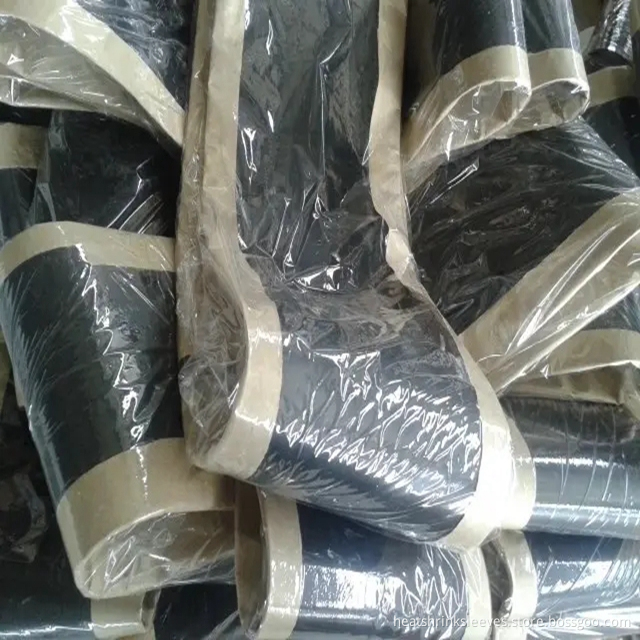
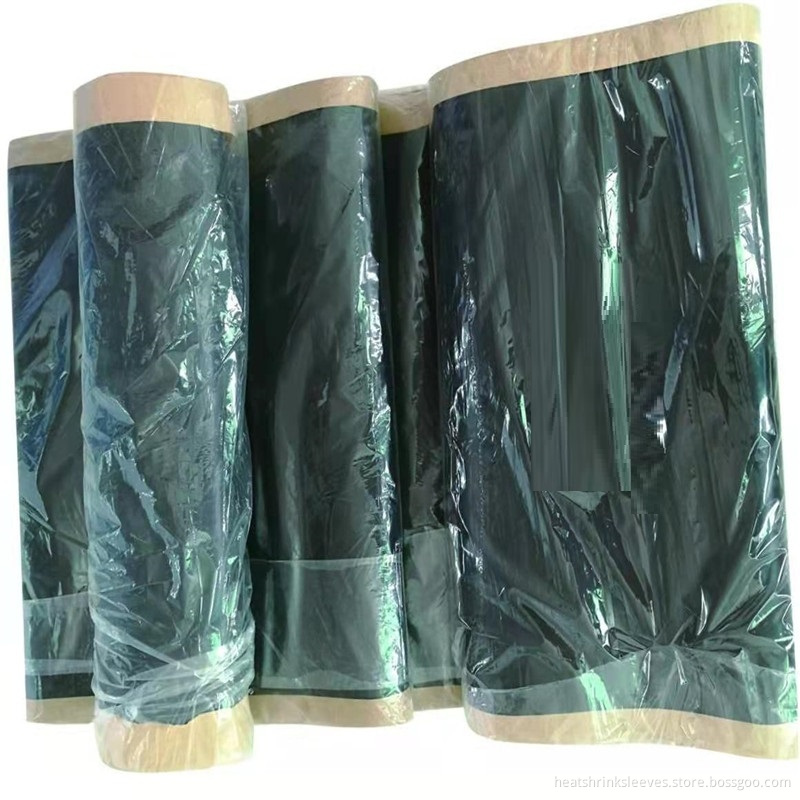
Selecting the correct fiberglass repair system requires matching the material properties to your specific operational environment. Not all patches are created equal; some offer superior impact resistance, while others excel in chemical resistance.
Ensure the patch's tensile strength rating exceeds the hoop stress generated by your pipeline's operating pressure. High-pressure gas lines require higher modulus fiberglass reinforcements compared to low-pressure water mains.
Verify that the resin matrix is compatible with the soil chemistry (for buried pipes) or the fluid contents (for internal repairs). Acidic soils may degrade certain epoxy systems over time.
Choose a self-amalgamating system if surface preparation capabilities are limited. Some advanced fiberglass patches allow for minimal abrasive cleaning, reducing labor costs and application time.
Our raw materials undergo rigorous testing to meet international ISO standards for pipeline accessories, ensuring consistent batch quality.
Every roll of fiberglass reinforcement is inspected for weave density and resin saturation before leaving our facility.
Leveraging decades of radiation cross-linking technology expertise to produce durable, long-lasting repair solutions.
Before finalizing your procurement order, use this checklist to evaluate potential suppliers and ensure the product meets your engineering requirements.
Ignoring Pipe Geometry: Patches must conform to curved surfaces. Ensure the fiberglass mat has sufficient flexibility for your pipe diameter.
Overlooking Environmental Conditions: Cold weather application requires different curing agents. Always consult technical support for extreme climates.
Lack of Training: Improper surface prep is the #1 cause of failure. Verify if the supplier offers on-site training.
Look for manufacturers backed by national research institutes (like CAEP) who have access to advanced radiation processing technology.
A single-source supplier for heat shrink sleeves, tapes, and repair patches simplifies logistics and ensures material compatibility.
Choose partners who can customize dimensions and packaging to fit your specific inventory management needs.
Repairing coating damage and external corrosion on transmission lines.
Leak sealing and structural reinforcement for cast iron and steel water mains.
Protecting cable joints from seawater ingress and mechanical stress.
Emergency repair of chemical process piping and storage tanks.
Generally, no. Most cold-applied repair systems require a dry surface for optimal adhesion. However, some specialized moisture-tolerant primers exist. Always check the specific product data sheet for wet-surface application guidelines.
When installed correctly according to manufacturer instructions, these patches are designed to last the remaining service life of the pipeline, typically 30+ years. They provide both structural reinforcement and corrosion barrier protection.
Basic hand tools like wire brushes, sandpaper, and utility knives are usually sufficient. For heat-shrinkable variants, a propane torch or induction heater may be required. We recommend using a plastic roller to ensure proper contact.
Yes, provided the patch's tensile strength rating matches the pipeline's operating pressure. Our high-modulus fiberglass patches are specifically engineered for high-pressure applications where hoop stress is significant.
About Us
Related Products List
Contact Us

Privacy statement: Your privacy is very important to Us. Our company promises not to disclose your personal information to any external company with out your explicit permission.
Fill in more information so that we can get in touch with you faster
Privacy statement: Your privacy is very important to Us. Our company promises not to disclose your personal information to any external company with out your explicit permission.