


Send Message
Privacy statement: Your privacy is very important to Us. Our company promises not to disclose your personal information to any external company with out your explicit permission.
 SICHUAN FOREVER RADIATION TECHNOLOGY CO.,LTD


Repair patch filler tape is a specialized polymer-based composite designed to restore structural integrity to damaged pipelines without requiring shutdown or welding. Typically constructed from radiation cross-linked polyethylene reinforced with high-strength fiberglass mesh and coated with aggressive pressure-sensitive adhesives, this material acts as a "liquid bandage" for steel pipes. It fills voids caused by corrosion, dents, or mechanical damage, creating a seamless, waterproof barrier that prevents further degradation.
For procurement managers overseeing pipeline maintenance, understanding the composition of repair patch filler tape is critical. Unlike simple wrapping tapes that only cover surface defects, filler tapes are engineered to bridge gaps and conform to irregular surfaces. This ensures that the underlying pipe is isolated from moisture, oxygen, and soil chemicals, effectively halting the corrosion process. The technology leverages advanced radiation cross-linking, a field where SICHUAN FOREVER RADIATION TECHNOLOGY CO.,LTD is a pioneer, ensuring the material maintains its shape and adhesive bond under extreme pressure and temperature fluctuations.
Radiation Cross-Linked Polyethylene: Provides exceptional memory and resistance to environmental stress cracking, ensuring long-term durability even in harsh underground environments.
Fiberglass Reinforcement: Adds tensile strength to the patch, allowing it to withstand internal pipe pressure and external soil loads without tearing.
High-Performance Adhesive: A modified butyl or rubber-based adhesive that bonds instantly to dirty or oily surfaces, eliminating the need for extensive surface preparation.
Zero Hot Work: Eliminates the safety risks and permits required for welding on live gas or oil lines, significantly speeding up response times for emergency repairs.
Cost Efficiency: Reduces labor costs associated with heavy machinery, welding crews, and pipeline depressurization, lowering your overall landed repair cost.
Immediate Restoration: Restores full operational pressure immediately after application, minimizing downtime and revenue loss for your distribution network.
SICHUAN FOREVER RADIATION TECHNOLOGY CO.,LTD operates as the birthplace of China's radiation crosslinking materials, leveraging decades of experience from the China Academy of Engineering Physics (CAEP). Our manufacturing facilities utilize state-of-the-art electron beam accelerators to ensure consistent cross-linking density across every batch of repair patch filler tape. This rigorous control over the molecular structure guarantees that our products meet the most demanding international standards for pipeline repair materials.
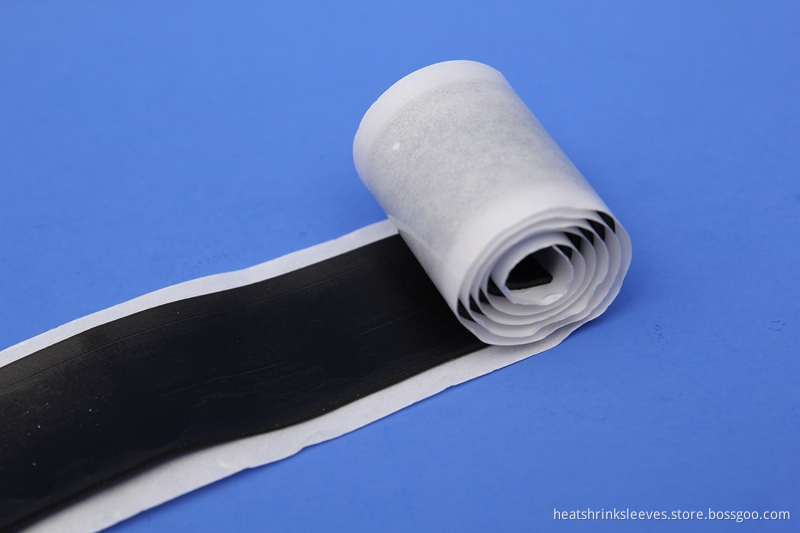
Our production lines are equipped with automated quality control systems that monitor thickness, adhesion strength, and shrinkage rates in real-time. This precision engineering ensures that every roll of repair patch filler tape performs identically, reducing variability in your field operations.
We adhere to strict ISO-compliant quality management systems. Each batch undergoes rigorous testing for:
Selecting the appropriate repair patch filler tape requires a detailed assessment of the pipeline's operating conditions, the nature of the damage, and the existing coating system. With numerous options available in the market, buyers must focus on technical specifications that directly impact longevity and performance. At SICHUAN FOREVER RADIATION TECHNOLOGY CO.,LTD, we guide procurement teams through this selection process to ensure optimal compatibility and protection.
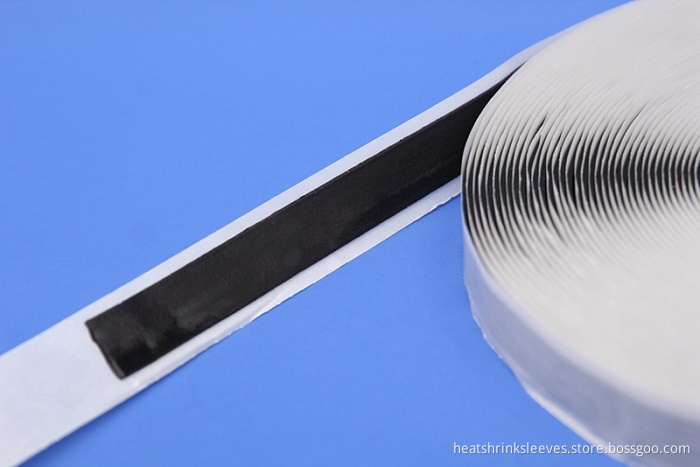
Diameter Range Compatibility: Ensure the tape's minimum bending radius matches your pipe diameter. Our flexible formulations accommodate a wide range of sizes, from small-distribution lines to large transmission mains.
Temperature Resistance: Verify the service temperature range. Our radiation-crosslinked tapes maintain flexibility down to -45°C and resist softening up to 80°C, suitable for most global climates.
Adhesive Type: Match the adhesive to the surface condition. For oily or wet surfaces, select our high-tack modified butyl variants which cure effectively in moisture-rich environments.
Different industries have unique requirements. For gas pipelines, we prioritize puncture resistance and gas permeability barriers. For water mains, we focus on hydrostatic pressure resistance and non-toxic certifications. Our technical team provides customized recommendations based on your specific project parameters.
Before finalizing a purchase order for repair patch filler tape, use this comprehensive checklist to evaluate suppliers and products. This tool helps mitigate risk by ensuring all critical technical, logistical, and compliance factors are addressed before commitment.
Procurement and maintenance teams often face recurring challenges when applying repair patch filler tape. Understanding these common pitfalls allows you to implement preventive measures, ensuring a successful repair the first time. Below are frequent issues and our recommended solutions based on years of field experience.
Problem: The tape lifts or bubbles shortly after application because of rust, oil, or moisture on the pipe surface.
Solution: Always perform thorough surface preparation using wire brushes or abrasive pads. For oily surfaces, use a solvent wipe. Our high-tack adhesives are formulated to tolerate minor imperfections, but clean surfaces yield superior results.
Problem: Air pockets or wrinkles form when wrapping around curved surfaces or edges, creating weak points.
Solution: Apply tension evenly while wrapping. Use a roller to press out air bubbles immediately. For complex shapes, cut slits in the tape to allow it to conform without buckling.
Problem: The repair tape does not bond well with the existing factory coating (e.g., 3LPE, Fusion Bonded Epoxy).
Solution: Select a primer specifically designed for your pipe's coating type. Our epoxy primers create a chemical bridge between the pipe and the repair tape, ensuring a monolithic seal.
Problem: The repair fails due to ground movement or point loads from rocks.
Solution: Use a multi-layer system: apply the filler tape to smooth the defect, followed by a reinforcement layer of high-tensile fiberglass tape, and finally an outer protective wrap. This creates a armored shield against physical damage.
When sourcing repair patch filler tape, partnering with a manufacturer that combines deep scientific research with mass production capability is essential. SICHUAN FOREVER RADIATION TECHNOLOGY CO.,LTD stands out as a premier supplier due to its unique heritage with the China Academy of Engineering Physics and its leadership in radiation processing technology.
Backed by CAEP's 60+ years of nuclear technology research, our materials benefit from cutting-edge science that generic manufacturers cannot replicate. This translates to superior product consistency and reliability.
We control the entire supply chain, from raw polymer extrusion to electron beam irradiation and final packaging. This integration eliminates middlemen, reduces costs, and ensures faster lead times for your projects.
Beyond repair patches, we offer a full suite of pipeline protection materials including heat shrink sleeves, cold applied tapes, and primers. Sourcing from one supplier simplifies your procurement workflow and ensures material compatibility.
Get answers to the most common questions from procurement professionals regarding the specification, application, and performance of repair patch filler tape.
Standard heat shrink tape is primarily used for wrapping and sealing joints or smooth surfaces. Repair patch filler tape contains a thick, malleable filler core designed to fill voids, dents, and corroded areas. It acts as a structural patch rather than just a wrapper, providing both filling and protective functions in a single application.
Yes, certain grades of our repair patch filler tape are designed for wet applications. The modified butyl adhesive cures in the presence of moisture, making it suitable for emergency repairs on leaking pipes or submerged sections where dewatering is not feasible. However, for optimal long-term performance, dry surface preparation is always recommended if possible.
When stored in a cool, dry place away from direct sunlight and UV exposure, our repair patch filler tapes typically have a shelf life of 2-3 years from the date of manufacture. We recommend checking the production date on each roll and using older stock first to maintain inventory efficiency.
Absolutely. We provide comprehensive technical documentation, video tutorials, and on-site training sessions for your maintenance teams. Proper application technique is crucial for performance, and we ensure your crew is fully equipped to execute repairs according to industry best practices.
About Us
Related Products List
Contact Us

Privacy statement: Your privacy is very important to Us. Our company promises not to disclose your personal information to any external company with out your explicit permission.
Fill in more information so that we can get in touch with you faster
Privacy statement: Your privacy is very important to Us. Our company promises not to disclose your personal information to any external company with out your explicit permission.