


Send Message
Privacy statement: Your privacy is very important to Us. Our company promises not to disclose your personal information to any external company with out your explicit permission.
 SICHUAN FOREVER RADIATION TECHNOLOGY CO.,LTD


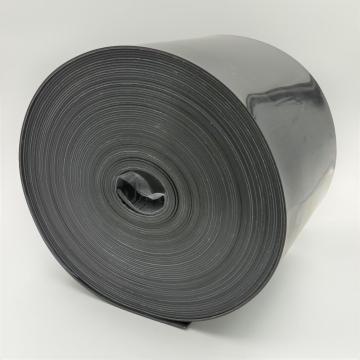

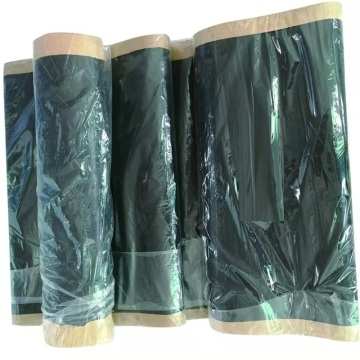


A Cross Linked Polyethylene Repair Patch is a specialized pipe repair solution designed for rapid, long-term restoration of damaged pipelines without the need for hot work or welding. Manufactured using advanced electron beam irradiation technology, this patch features a cross-linked polyethylene base that provides exceptional mechanical strength and chemical resistance.
Unlike traditional repair methods that require pipeline shutdown or complex preparation, these patches offer a cold-applied alternative that minimizes downtime. The material's cross-linked molecular structure ensures it remains stable under high pressure and varying temperatures, making it an ideal choice for critical infrastructure maintenance in oil, gas, and water distribution networks.
The system typically consists of a flexible polyethylene backing, a high-performance pressure-sensitive adhesive layer, and an epoxy primer for substrate preparation. This multi-layer design creates a hermetic seal that prevents corrosion and moisture ingress, effectively extending the service life of the repaired asset while reducing total cost of ownership for operators.
Our patches utilize radiation cross-linking technology inherited from China Academy of Engineering Physics. This process transforms standard polyethylene into a high-performance thermoset material with superior tensile strength and environmental stress crack resistance compared to non-cross-linked alternatives.
Eliminate the risks and costs associated with hot work permits and welding. Our cold-applied repair patches can be installed quickly on live pipelines, significantly reducing operational downtime and enhancing worker safety in hazardous environments.
Backed by the legacy of Sichuan Forever Holding Group and decades of expertise in nuclear technology applications, our repair materials meet the most stringent international standards for pipeline integrity management.
We provide more than just the patch. Our complete solution includes compatible primers, melt sticks for sealing, and installation tools, ensuring a cohesive system that guarantees optimal performance and warranty compliance.
At Sichuan Forever Radiation Technology Co., Ltd, quality is not an afterthought but a foundational element of our production process. As the birthplace of China's radiation crosslinking materials, we maintain rigorous control over every stage of manufacturing.
Using our proprietary Russian accelerator technology, we precisely control the cross-linking density. This ensures consistent mechanical properties across every batch, guaranteeing predictable performance in the field.
Our pressure-sensitive adhesives are formulated for maximum bond strength to various pipe coatings (PE, PP, 3LPE). Rigorous tack and peel testing ensure reliable adhesion even in challenging environmental conditions.
We offer third-party inspection services to validate product specifications. Our materials undergo extensive testing for chemical resistance, temperature stability, and long-term durability before shipment.
Selecting the appropriate cross linked polyethylene repair patch requires careful consideration of several technical factors. Buyers must evaluate the pipeline characteristics, damage type, and operating environment to ensure compatibility and long-term success.
Diameter and Wall Thickness: Ensure the patch dimensions cover the defect with sufficient overlap. Verify that the material thickness is suitable for the pipeline's pressure rating. Incorrect sizing can lead to premature failure or unnecessary inventory costs.
Coating Type and Condition: Identify the existing coating (3LPE, FBE, PE) to select the correct primer. Rough or corroded surfaces may require additional surface preparation or specific primer formulations to achieve optimal bond strength.
Temperature and Chemical Exposure: For pipelines in extreme temperatures or corrosive soils, verify the thermal stability range of the patch material. Our cross-linked products are engineered to withstand a wide temperature spectrum, ensuring reliability in harsh climates.
Use this checklist to validate your supplier and product selection for cross linked polyethylene repair patches. This guide helps mitigate procurement risks and ensures you receive a compliant, high-quality solution.
Cross linked polyethylene repair patches are versatile solutions deployed across multiple sectors where pipeline integrity is critical. Their ability to handle various fluids and environmental conditions makes them a staple in modern pipeline maintenance strategies.
Used for repairing external corrosion, mechanical damage, and coating defects on transmission and gathering lines. Provides long-term protection against soil stresses and moisture ingress.
Ideal for potable water pipes where material safety and non-toxicity are paramount. Resists bacterial growth and maintains water quality standards while fixing leaks and cracks.
Applied in refineries, chemical plants, and power stations for repairing process pipes exposed to aggressive chemicals or extreme temperatures. Ensures operational continuity in hazardous zones.
When sourcing cross linked polyethylene repair patches, prioritize suppliers with proven track records in radiation processing technology. Look for manufacturers who invest in R&D and possess their own irradiation facilities, as this ensures tighter quality control and faster turnaround times.
When installed correctly according to manufacturer guidelines, a cross linked polyethylene repair patch is designed to last the remaining service life of the pipeline, typically 30-50 years. The cross-linked structure provides excellent resistance to environmental stress cracking and degradation.
Most cold-applied repair systems require dry surfaces for optimal adhesion. However, some advanced formulations allow for installation on slightly damp surfaces. Always consult the technical data sheet and follow surface preparation instructions provided by the manufacturer.
Cross linked polyethylene repair patches generally withstand operating temperatures ranging from -40°C to +80°C, with short-term peaks up to 100°C depending on the specific product formulation. This makes them suitable for most industrial and municipal applications.
Yes, we offer a complete suite of manual and automatic installation tools tailored to our repair systems. We also provide comprehensive technical documentation and can arrange on-site training or virtual support for your installation teams.
Radiation cross-linking creates a three-dimensional molecular network within the polyethylene, significantly enhancing its mechanical strength, thermal stability, and chemical resistance compared to non-cross-linked materials. This results in a more durable and reliable repair solution.
About Us
Related Products List
Contact Us

Privacy statement: Your privacy is very important to Us. Our company promises not to disclose your personal information to any external company with out your explicit permission.
Fill in more information so that we can get in touch with you faster
Privacy statement: Your privacy is very important to Us. Our company promises not to disclose your personal information to any external company with out your explicit permission.