


Send Message
Privacy statement: Your privacy is very important to Us. Our company promises not to disclose your personal information to any external company with out your explicit permission.
 SICHUAN FOREVER RADIATION TECHNOLOGY CO.,LTD


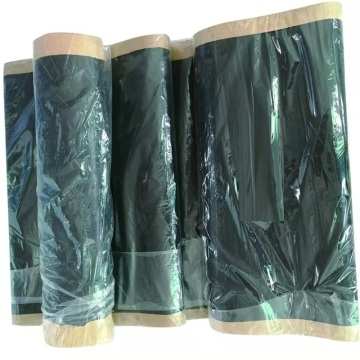


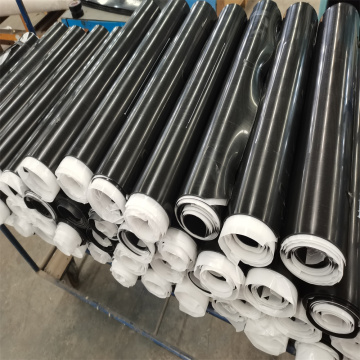
A heatshrink repair patch is a specialized polyolefin-based sleeve designed to restore and reinforce damaged sections of coated pipelines. Unlike standard heat shrink tubing used in electronics, industrial repair patches are engineered for heavy-duty infrastructure protection. They feature a multi-layer construction: an inner layer of modified polyethylene adhesive that melts upon heating to form a watertight seal, and an outer layer of cross-linked polyethylene that provides high mechanical strength and environmental resistance.
The primary function of a heatshrink repair sleeve is to re-establish the corrosion barrier on steel pipelines where the original coating has been compromised due to damage, joint failure, or aging. For procurement managers, this translates to significant cost savings by avoiding full pipe replacement. The system cures quickly at ambient temperatures, reducing downtime and labor costs associated with field repairs.
Key advantages include:
Sichuan Forever Radiation Technology Co., Ltd. leverages its heritage as a pioneer in China's radiation crosslinking industry to produce premium repair patches. Our manufacturing process utilizes electron beam irradiation to achieve precise cross-linking density in the polyethylene base material. This scientific approach ensures consistent physical properties across every batch, which is critical for large-scale pipeline projects where uniform performance is non-negotiable.
We use high-grade raw materials sourced from verified suppliers. The cross-linking process enhances thermal stability and chemical resistance, ensuring the patch withstands harsh underground environments and temperature fluctuations without degrading.
Our modified polyethylene adhesive is formulated for optimal flow and bonding strength. Rigorous testing guarantees that the melt flow index remains within strict tolerances, preventing weak spots in the seal that could lead to future corrosion failures.
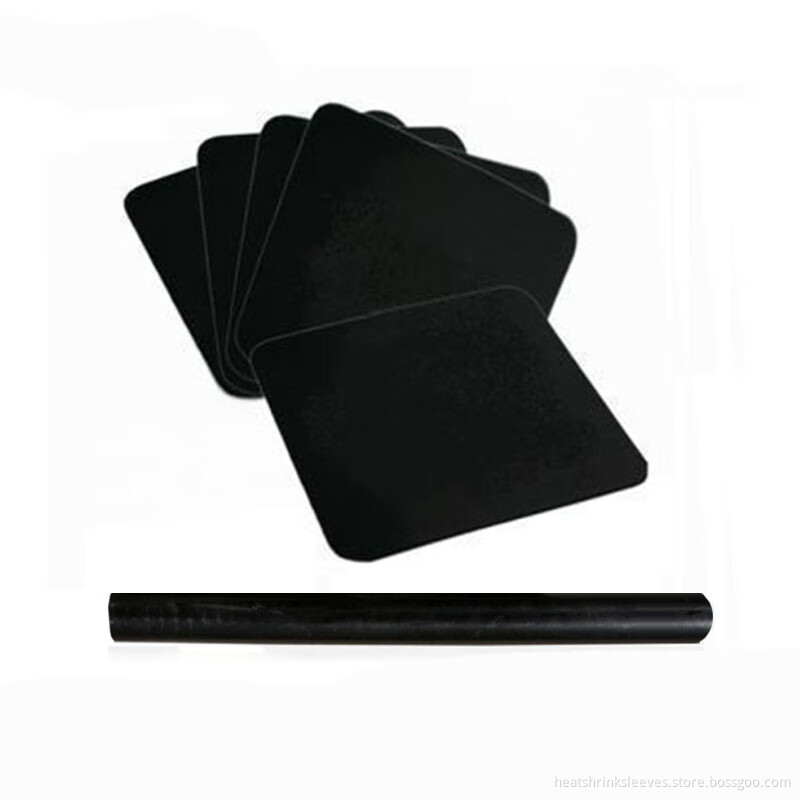

Selecting the correct heatshrink repair patch requires matching specific technical parameters to your pipeline's operating conditions. Procurement teams must evaluate the following factors to ensure compatibility and long-term performance:
Ensure the internal diameter (ID) of the sleeve matches the damaged pipe section. A proper fit is essential for the adhesive to contact both the pipe surface and the surrounding coating effectively.
For rough or irregular surfaces, choose patches with thicker adhesive layers (typically 1.5mm - 2.0mm). Standard smooth pipes may utilize thinner profiles. Always verify the adhesive is compatible with your existing coating system (e.g., 3LPE, 3LPP, or Fusion Bonded Epoxy).
Consider the operating temperature of the fluid being transported. Some applications require high-temperature resistant variants that can withstand service temperatures above 70°C without softening or losing adhesion.
Before finalizing orders for pipeline repair materials, use this checklist to mitigate risk and ensure specification compliance. This structured approach helps procurement specialists avoid common pitfalls such as incorrect sizing or incompatible adhesives.
Heatshrink repair sleeves are versatile solutions deployed across various sectors involving buried or submerged pipelines. Their robust design makes them suitable for critical infrastructure where leak prevention is paramount.
Used extensively for repairing damaged external coatings on crude oil and natural gas transmission lines. The patches protect against soil stress, moisture ingress, and corrosion under insulation.
Ideal for reinforcing joints and fixing coating defects on water mains. The inert nature of the polyethylene material ensures it does not contaminate the water supply while providing long-term structural support.
Specialized high-performance variants are used in offshore pipelines to repair marine coatings exposed to harsh saltwater environments and high hydrostatic pressures.
When selecting a supplier for heatshrink repair patches, reliability and technical expertise are key differentiators. Sichuan Forever Radiation Technology Co., Ltd. stands out as a premier choice for global buyers due to our unique background and capabilities.
As part of the Sichuan Forever Holding Group and linked to the China Academy of Engineering Physics, we bring decades of advanced research in radiation processing to our product development. This scientific backing ensures our materials meet the highest international standards.
We offer a complete ecosystem of pipeline protection products, including 3LPE/3LPP sleeves, cold applied tapes, and epoxy primers. Sourcing from a single supplier simplifies logistics and ensures material compatibility across your entire project.
OEM Services Available: We provide customized labeling, packaging, and technical specifications to meet the specific branding and regulatory requirements of international distributors and EPC contractors.
Common questions regarding installation, compatibility, and performance of heatshrink repair materials.
Standard tubing is typically a single-layer tube used for electrical insulation. A heatshrink repair patch is a multi-component system specifically designed for pipeline repair. It includes a wider overlap design, a thicker pressure-sensitive adhesive layer for sealing irregular surfaces, and a more robust outer jacket to withstand mechanical abuse and environmental stress.
Generally, no. Proper surface preparation is critical for adhesive bonding. The pipe surface must be clean, dry, and free of rust before application. Installing a patch on a wet surface can compromise the seal and lead to premature failure. In some cases, specialized primers or drying techniques are required to prepare the surface adequately.
Installation typically requires a propane or natural gas torch with a wide-flame nozzle, wire brushes, sandpaper or abrasive discs for surface preparation, and cleaning solvents like acetone or methyl ethyl ketone (MEK). For large-scale projects, we also supply automatic heating devices that provide more uniform heat distribution and reduce operator fatigue.
Visual inspection is the first step. After cooling, the adhesive should squeeze out evenly around the edges of the sleeve, forming a continuous bead. There should be no voids, wrinkles, or unbonded areas. If any gaps are detected, they must be repaired immediately using a patch plug or additional adhesive sealant.
About Us
Related Products List
Contact Us

Privacy statement: Your privacy is very important to Us. Our company promises not to disclose your personal information to any external company with out your explicit permission.
Fill in more information so that we can get in touch with you faster
Privacy statement: Your privacy is very important to Us. Our company promises not to disclose your personal information to any external company with out your explicit permission.