


Send Message
Privacy statement: Your privacy is very important to Us. Our company promises not to disclose your personal information to any external company with out your explicit permission.
 SICHUAN FOREVER RADIATION TECHNOLOGY CO.,LTD


Htpl 80 heat shrink sleeves are specialized polyolefin-based protective coatings designed primarily for the corrosion protection of steel pipelines, particularly at weld joints and flanges. Manufactured using advanced electron beam radiation cross-linking technology, these sleeves provide a seamless, watertight barrier that shields critical infrastructure from moisture, chemicals, and soil stresses.
The "HTPL" designation typically refers to high-performance thermal pipe lining systems, while "80" often indicates the specific hardness or durometer rating, ensuring flexibility during installation while maintaining structural integrity under operational pressure. For procurement teams managing large-scale pipeline projects, understanding this specification is crucial for selecting materials that meet rigorous industry standards such as SY/T 0415 or ISO 21809.
Unlike traditional cold-applied tapes that require multiple layers and skilled labor for sealing, Htpl 80 heat shrink sleeves offer a factory-controlled, single-layer solution. This simplifies your procurement workflow by reducing material variability and ensuring consistent performance across thousands of joints. The system typically includes a primer layer for adhesion and an adhesive-coated sleeve that shrinks uniformly when heated, creating a robust mechanical and chemical bond with the pipe surface.
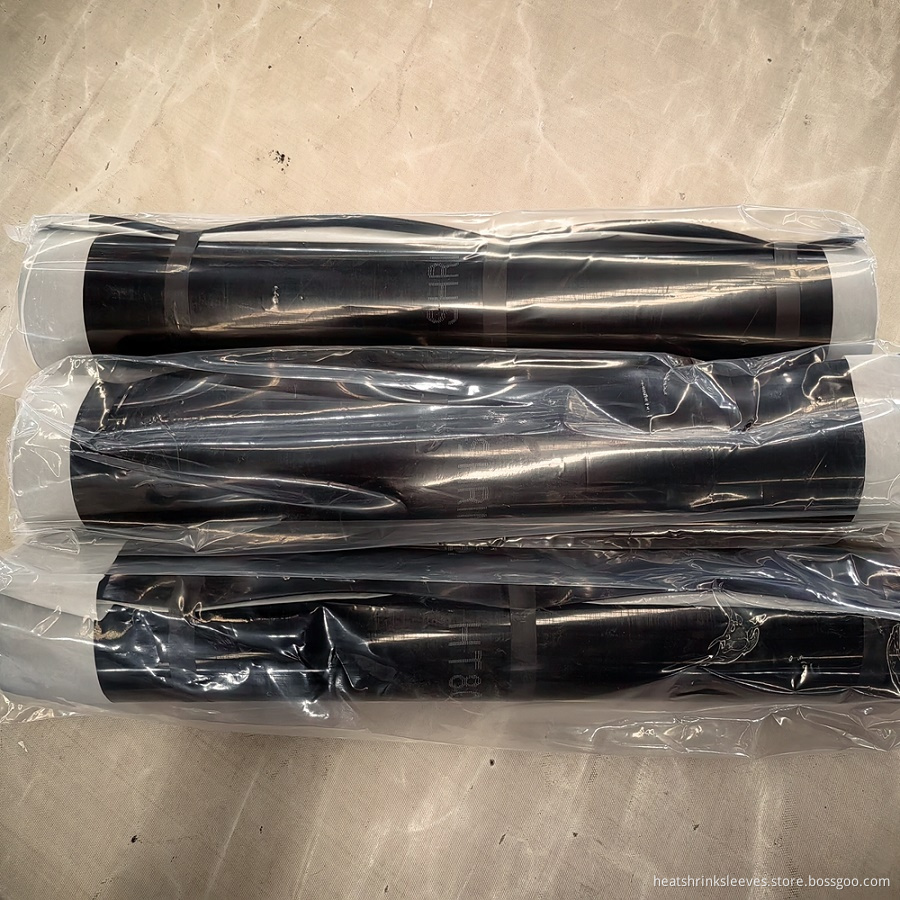
SICHUAN FOREVER RADIATION TECHNOLOGY CO.,LTD operates as the National Radiation Crosslinking Heat Shrinkable Material Technology Center, leveraging decades of expertise in electron beam irradiation processing. Our manufacturing process ensures that every batch of Htpl 80 heat shrink sleeves meets precise technical specifications for adhesion, elongation, and tensile strength.
Utilizing China's first Russian accelerator inherited from CAEP, our polyethylene base material undergoes controlled electron beam irradiation. This process creates a three-dimensional molecular network that enhances thermal stability, chemical resistance, and mechanical durability far beyond conventional thermoplastics.
Every production run undergoes rigorous third-party inspection and internal quality control. We verify critical parameters including melt flow index, shrinkage rate (typically 50-60% longitudinally, 30-40% circumferentially), and initial tack to ensure reliable field performance. This commitment to consistency reduces your risk of installation failures and costly rework.
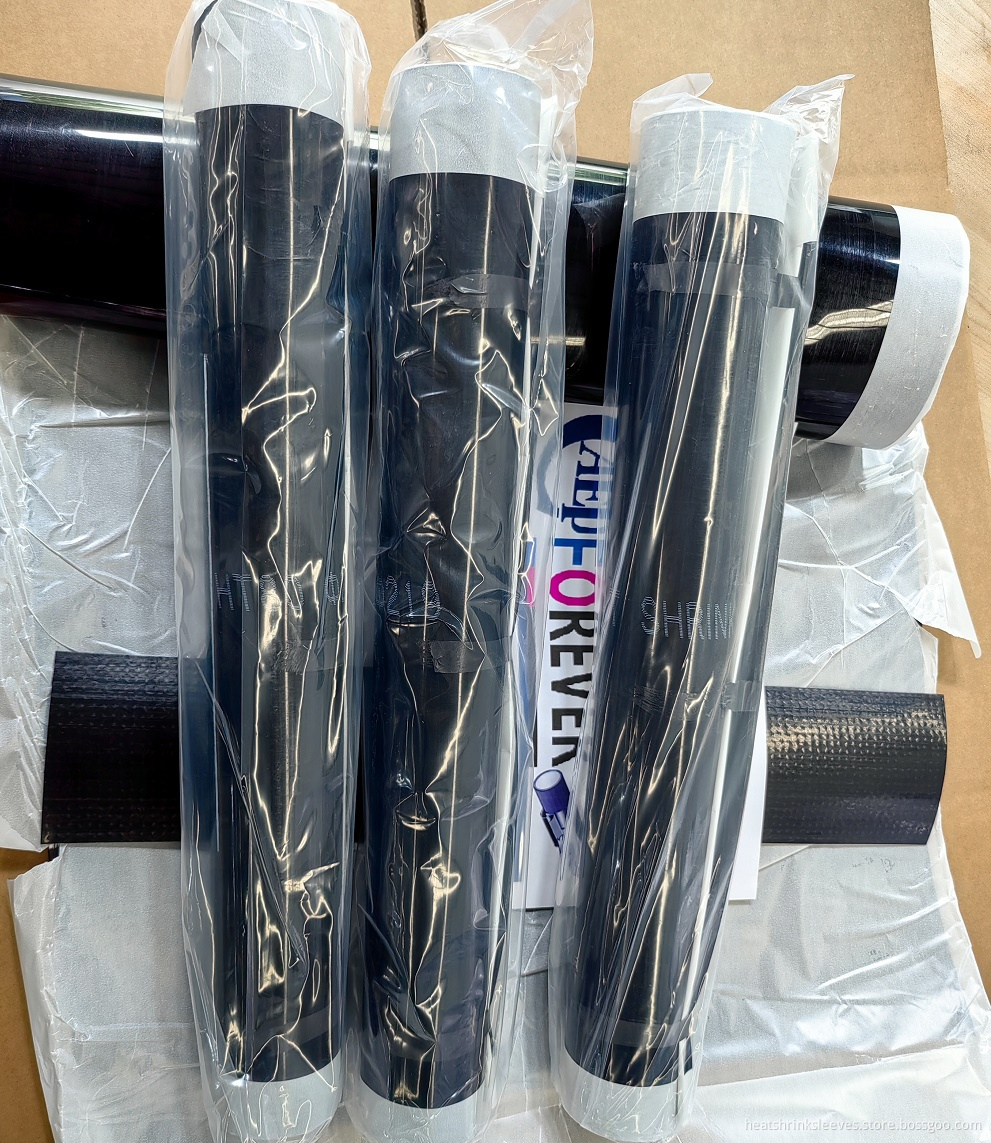
Selecting the correct Htpl 80 heat shrink sleeves requires careful consideration of several technical factors to ensure optimal corrosion protection and long-term asset value. Procurement specialists must evaluate pipe dimensions, operating conditions, and installation constraints to match the product specifications with project requirements.
Ensure the sleeve's inner diameter matches the pipe's outer diameter plus the adhesive layer thickness before shrinking. Consider wall thickness variations along the pipeline length to avoid insufficient coverage or excessive material waste.
Verify that the Htpl 80 sleeve's continuous service temperature exceeds your pipeline's maximum operating temperature. Standard polyolefin sleeves typically handle up to 80°C, while specialized formulations may be required for higher temperature applications.
Match the adhesive type (hot melt vs. cold applied) with your installation method and environmental conditions. For Htpl 80 systems, confirm compatibility with the existing coating system (3LPE, 3LPP, or epoxy) and surface preparation standards.
Use this comprehensive checklist to evaluate suppliers and products before finalizing your purchase order for Htpl 80 heat shrink sleeves. Each item addresses common pain points in pipeline material procurement, helping you mitigate risk and ensure compliance.
Htpl 80 heat shrink sleeves serve critical corrosion protection roles across diverse industries where pipeline integrity is paramount. From oil and gas transmission to municipal water distribution, these sleeves provide reliable defense against environmental degradation and operational stresses.
Primary application for protecting weld joints in crude oil, refined products, and natural gas transmission lines. The sleeves withstand soil movement, traffic loads, and underground chemical exposure, extending pipeline service life and reducing maintenance costs.
Used in potable water and wastewater pipelines where corrosion resistance and hygiene standards are critical. The inert polyolefin material ensures no contamination of water quality while providing durable protection against aggressive soil conditions.
Essential for pre-insulated district heating pipes, protecting steel service pipes from corrosion in underground thermal networks. The sleeves maintain adhesion and flexibility despite continuous thermal cycling and high operating temperatures.
Applied to subsea pipelines and offshore structures where saltwater exposure accelerates corrosion. The dense molecular structure provides excellent barrier properties against chloride ion penetration and cathodic disbondment resistance.
Protects slurry pipelines, tailings lines, and industrial process piping in mining operations. Resists abrasion, chemical attack from process fluids, and harsh environmental conditions typical of remote mining sites.
Supports large-scale infrastructure developments including HDD (Horizontal Directional Drilling) crossings, river penetrations, and urban pipeline replacements where minimal excavation and rapid installation are essential.
As the birthplace of China's radiation crosslinking materials and the National Radiation Crosslinking Heat Shrinkable Material Technology Center, SICHUAN FOREVER RADIATION TECHNOLOGY CO.,LTD offers unmatched expertise in Htpl 80 heat shrink sleeves. Our association with the China Academy of Engineering Physics (CAEP) provides access to cutting-edge research and proprietary manufacturing capabilities.
Inherit CAEP's first Russian accelerator and leverage decades of nuclear technology expertise for superior crosslinking control. Our pipeline radiation crosslinking technology has been extended to most Chinese manufacturers, setting industry benchmarks for quality and performance.
Beyond Htpl 80 sleeves, we offer complete corrosion protection systems including 3LPE/3LPP sleeves, cold applied tapes, epoxy primers, repair patches, and installation tools. One-stop sourcing simplifies your procurement workflow and ensures material compatibility.
Flexible OEM services allow customization of sleeve dimensions, adhesive types, and packaging to meet specific project requirements. Our engineering team supports technical consultations to optimize material selection for your unique operating conditions.
Integrated third-party inspection services and rigorous internal testing protocols ensure every batch meets international standards. Transparent quality documentation and traceability provide peace of mind for mission-critical pipeline projects.
Common questions from procurement professionals regarding Htpl 80 heat shrink sleeves, installation requirements, and supplier evaluation criteria.
Htpl 80 heat shrink sleeves feature a specific durometer rating (80 Shore A) that balances flexibility for installation with mechanical strength for service life. Standard sleeves may vary in hardness, affecting handling characteristics and final performance. The HTPL designation also indicates optimized adhesive formulation and radiation crosslinking density for enhanced corrosion protection.
Yes, Htpl 80 heat shrink sleeves are specifically designed for use with 3LPE (Three-Layer Polyethylene) coated pipes. The adhesive layer bonds effectively to properly prepared 3LPE surfaces, creating a monolithic protection system. Surface preparation according to SSPC-SP10 or ISO 8501-2 Near-White Metal standards is essential for optimal adhesion.
When stored in original packaging under recommended conditions (temperature below 40°C, relative humidity below 70%, away from direct sunlight and ozone sources), Htpl 80 heat shrink sleeves typically maintain their properties for 2-3 years. Proper storage prevents premature aging of the adhesive layer and maintains shrinkage performance.
Yes, we supply both automatic and manual type installation tools compatible with Htpl 80 heat shrink sleeves. Automatic machines ensure uniform heating and consistent shrinkage for high-volume projects, while manual tools offer flexibility for field repairs and smaller installations. Tool selection depends on project scale, budget, and desired installation speed.
Our Htpl 80 heat shrink sleeves comply with SY/T 0415 (Chinese Standard for Fusion Bonded Epoxy Powder and Heat Shrinkable Coatings) and can be tested to ISO 21809 (Petroleum and natural gas industries - Internal and external external coatings of pipelines used in conduit systems). Third-party inspection services are available upon request for international projects requiring additional certification.
Electron beam radiation crosslinking transforms linear polyethylene molecules into a three-dimensional network structure. This molecular restructuring significantly enhances thermal stability (higher service temperature), chemical resistance, stress crack resistance, and long-term mechanical properties compared to non-crosslinked materials. The result is a more durable corrosion protection system with extended service life.
About Us
Related Products List
Contact Us

Privacy statement: Your privacy is very important to Us. Our company promises not to disclose your personal information to any external company with out your explicit permission.
Fill in more information so that we can get in touch with you faster
Privacy statement: Your privacy is very important to Us. Our company promises not to disclose your personal information to any external company with out your explicit permission.