


Send Message
Privacy statement: Your privacy is very important to Us. Our company promises not to disclose your personal information to any external company with out your explicit permission.
 SICHUAN FOREVER RADIATION TECHNOLOGY CO.,LTD


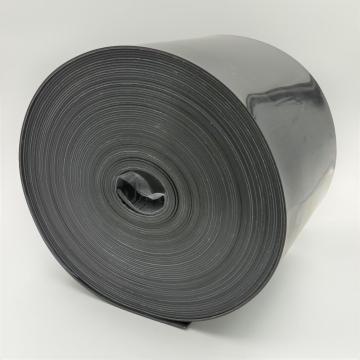

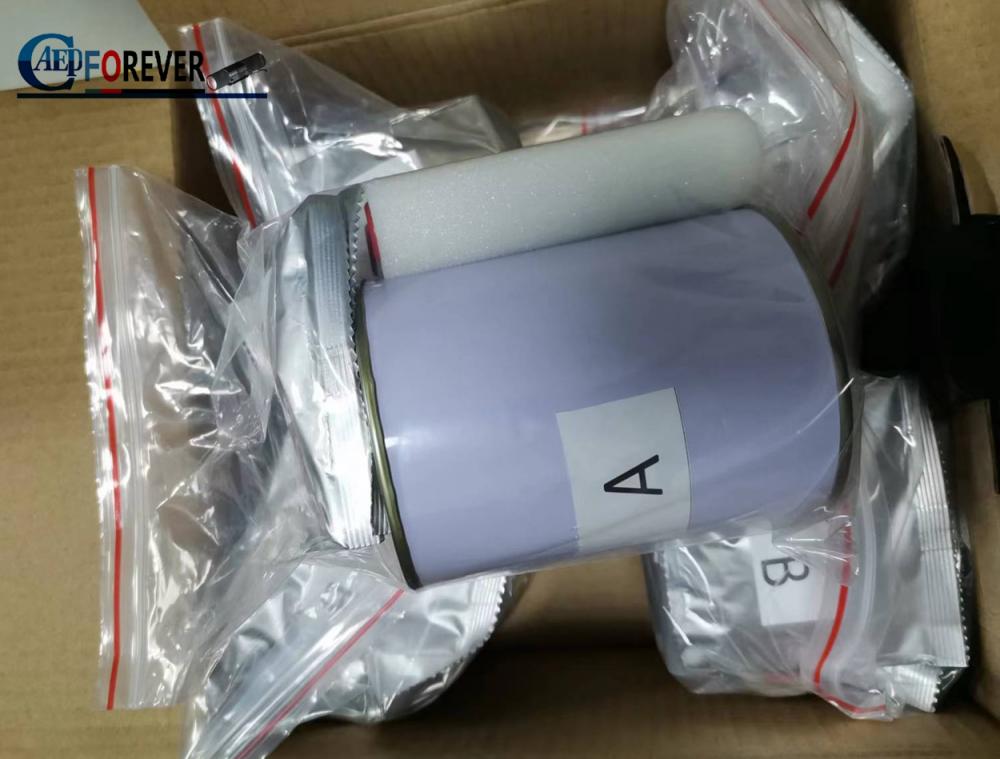
Epoxy steel AB glue is a high-performance, two-component adhesive system designed specifically for industrial bonding applications in harsh environments. It consists of an epoxy resin base (Component A) and a specialized hardener (Component B) that, when mixed, undergo a chemical reaction to form an incredibly strong, durable bond.
In the context of pipeline protection and corrosion control, this adhesive is often used as a structural component in repair patches, coupling seals, and composite wrapping systems. It provides immediate handling strength and cures to a hardness that matches or exceeds the substrate material, ensuring long-term integrity even under pressure, vibration, and thermal cycling.
Why it matters for your procurement: Selecting the right epoxy AB system reduces downtime during repairs and eliminates the need for hot work (welding), which can be hazardous in explosive atmospheres or on existing coated pipelines.
Manufacturing high-quality epoxy steel AB glue requires precision engineering, strict raw material sourcing, and controlled environmental conditions. Our production process adheres to rigorous standards to ensure every batch meets performance specifications.
We source premium-grade epoxy resins and hardeners from certified suppliers. Each batch of raw material undergoes incoming quality inspection to verify viscosity, solids content, and reactivity profiles before entering production.
The ratio of resin to hardener is calculated with laboratory-grade accuracy. Automated mixing systems ensure consistent homogeneity, eliminating human error and guaranteeing uniform cure characteristics across all units produced.
Every production lot is tested for critical properties including shear strength, tensile adhesion, gel time, and full cure hardness. Test results are documented and available upon request, providing traceability and quality assurance for your projects.
Our manufacturing facilities operate under ISO-compliant quality management systems. We maintain low-VOC formulations where possible and adhere to international safety standards for chemical handling and storage throughout the supply chain.
Selecting the correct epoxy AB glue system is critical to the success of your pipeline repair or coating project. Buyers should evaluate the following technical parameters against their specific application requirements.
Fast-cure formulations allow rapid return-to-service, minimizing pipeline downtime. Standard-cure options provide longer working life for complex applications. Match the pot life to your crew's capacity and site conditions.
Pipeline environments vary widely. Ensure the selected epoxy AB glue can withstand the operating temperature range of your pipeline, including thermal cycling, without degradation of bond strength or physical properties.
For pipelines transporting aggressive media or operating in corrosive soils, choose an epoxy formulation with proven resistance to the specific chemicals, salts, or acids present in your service environment.
Verify that the adhesive bonds effectively to your pipe material—whether carbon steel, stainless steel, or coated surfaces. Some formulations require surface primers for optimal adhesion on treated or contaminated substrates.
Ensure the product meets relevant industry specifications such as NACE, DNV, or client-specific standards. Certified products simplify your approval process and reduce compliance risk on regulated projects.
Consider the packaging format—cartridges, pails, or bulk containers—and verify shelf life stability. Properly packaged epoxy AB glue maintains consistent performance from delivery through installation.
Use this checklist to evaluate potential suppliers and products before placing your order. Each item addresses a common pain point in industrial adhesive procurement.
Request the complete TDS and Safety Data Sheet (SDS) before ordering. Verify that mechanical properties, cure schedules, and application instructions match your engineering requirements.
Reputable suppliers provide free samples for lab testing and field trials. Always validate performance on your actual substrate and under your expected environmental conditions before committing to volume orders.
Ask for batch-to-batch consistency data. Inconsistent epoxy formulations lead to failed bonds, rework costs, and project delays. Look for suppliers with documented QC processes and certificate of analysis documentation.
Does the supplier offer technical support for surface preparation, mixing ratios, and application techniques? Strong vendor support reduces installation errors and ensures optimal bond performance in the field.
Confirm standard lead times and inventory availability. For urgent repair projects, verify whether emergency shipping options exist. Reliable supply chains prevent costly project standstills.
Look beyond unit price. Consider coverage area per unit, cure speed (which impacts labor costs), and failure rates. A slightly higher-priced product with superior performance often delivers lower total cost over the project lifecycle.
Procurement buyers frequently encounter these challenges when sourcing epoxy AB adhesives. Understanding these issues upfront helps you avoid costly mistakes and select the right partner.
Epoxy resins and hardeners are sensitive to temperature and humidity. Products stored in uncontrolled warehouses may degrade before use, resulting in incomplete curing or reduced bond strength. Always verify the supplier's storage practices and request batch manufacture dates.
Using the wrong resin-to-hardener ratio is one of the most common causes of adhesive failure. Pre-measured packaging (cartridge systems) significantly reduces this risk compared to bulk pail systems where manual measuring is required.
Even the highest-quality epoxy AB glue will fail if applied to poorly prepared surfaces. Oil, rust, moisture, or loose mill scale on the steel substrate prevents proper adhesion. Ensure your team follows SSPC or NACE surface preparation standards before application.
The global adhesive market contains counterfeit products that appear authentic but deliver inferior performance. Purchase only from authorized distributors or directly from verified manufacturers. Request certificates of conformity and verify batch serialization codes.
When evaluating potential suppliers for epoxy steel AB glue and related pipeline protection materials, consider these key recommendations to build a reliable supply chain.
Choose suppliers with decades of experience in radiation crosslinking and polymer technology. Companies like Sichuan Forever Radiation Technology Co.,Ltd bring deep expertise in advanced material science and have been at the forefront of China's pipeline protection industry since their founding in 1958 through the China Academy of Engineering Physics lineage.
Look for suppliers equipped with their own R&D centers and irradiation facilities. Access to electron beam accelerators and dedicated testing laboratories ensures that products are developed, validated, and manufactured under controlled conditions—not outsourced to third parties with unknown quality standards.
Suppliers offering complete pipeline protection systems—including epoxy primers, heat shrinkable sleeves, repair patches, PE melt sticks, and installation tools—simplify procurement and ensure material compatibility across your entire coating package. This integrated approach reduces interface risks and streamlines project execution.
Answers to the most common questions from procurement professionals sourcing epoxy steel AB glue for pipeline and industrial applications.
Epoxy AB glue is a two-component thermosetting adhesive that forms a rigid, chemically resistant bond upon curing. Unlike single-component adhesives (such as acrylics or cyanoacrylates), epoxy systems offer superior strength, temperature resistance, and chemical durability. Compared to polyurethane adhesives, epoxies provide higher stiffness and better resistance to solvents and fuels commonly found in pipeline environments.
Standard epoxy AB glues generally require dry surfaces for optimal bonding. However, specialized underwater-grade epoxy formulations are available that can cure in damp conditions and even underwater. If your application involves wet surfaces or subsea pipelines, specify this requirement to your supplier to receive the appropriate product formulation designed for marine environments.
Ambient-cure epoxy AB glues typically reach handling strength within 4–8 hours and achieve full cure within 24–72 hours, depending on the specific formulation and ambient temperature. Fast-cure variants can achieve handling strength in as little as 30 minutes. Higher temperatures accelerate cure, while colder conditions extend it. Always consult the product's technical data sheet for exact timelines.
Yes, epoxy AB glue is fully compatible with 3LPE (three-layer polyethylene) and 3LPP (three-layer polypropylene) coating systems. In fact, epoxy-based primers are a standard component of 3LPE/3LPP systems, providing the critical bond layer between the steel substrate and the polyolefin outer layers. Many leading suppliers, including those specializing in radiation crosslinking technologies, offer complementary epoxy primers and repair materials designed to integrate seamlessly with these coating systems.
Epoxy AB glue is available in various packaging formats to suit different application scales: dual-cartridge syringes (for small repairs and spot applications), pail sets (typically 5kg, 10kg, or 20kg kits for medium projects), and drum packs (for large-scale production or continuous coating lines). Pre-measured cartridge systems are recommended for field applications to eliminate mixing errors and ensure consistent performance.
Store epoxy components in a cool, dry place away from direct sunlight and temperature extremes. Ideal storage temperature is between 15°C and 25°C (59°F–77°F). Keep containers tightly sealed when not in use to prevent moisture absorption and solvent evaporation. Unopened epoxy AB glue typically has a shelf life of 12–24 months from the manufacture date. Always check the expiration date before use and rotate stock using first-in-first-out (FIFO) practices.
About Us
Related Products List
Contact Us

Privacy statement: Your privacy is very important to Us. Our company promises not to disclose your personal information to any external company with out your explicit permission.
Fill in more information so that we can get in touch with you faster
Privacy statement: Your privacy is very important to Us. Our company promises not to disclose your personal information to any external company with out your explicit permission.