


Send Message
Privacy statement: Your privacy is very important to Us. Our company promises not to disclose your personal information to any external company with out your explicit permission.
 SICHUAN FOREVER RADIATION TECHNOLOGY CO.,LTD


Solvent-free epoxy coating material is a high-performance protective solution designed for industrial applications requiring superior adhesion and chemical resistance. Unlike traditional solvent-based coatings, this formulation relies entirely on reactive resin systems, eliminating volatile organic compounds (VOCs) during application.
For procurement managers seeking sustainable compliance without sacrificing durability, solvent-free epoxy provides a robust barrier against corrosion, moisture, and harsh chemicals. It cures rapidly to form a dense, cross-linked polymer network that protects substrates like steel pipelines, storage tanks, and concrete structures from aggressive environmental factors.
Switching to solvent-free technology offers immediate operational benefits alongside long-term asset protection. The absence of solvents means the coating volume remains consistent during the curing process, resulting in significantly higher dry film thickness (DFT) per coat compared to solvent-borne alternatives.
Environmental Compliance: With strict global regulations on VOC emissions, solvent-free epoxy ensures your projects meet environmental standards while maintaining a safe workplace for applicators.
Efficiency & Cost Savings: Faster cure times reduce project downtime, allowing you to return assets to service sooner. The high solids content also means fewer coats are required to achieve the target thickness, lowering labor and material costs over the lifecycle of the asset.
Our manufacturing process utilizes advanced reactor technology to produce high-purity epoxy resins with precise molecular weight control. This ensures consistent viscosity and reactivity across all batches, critical for reliable field application.
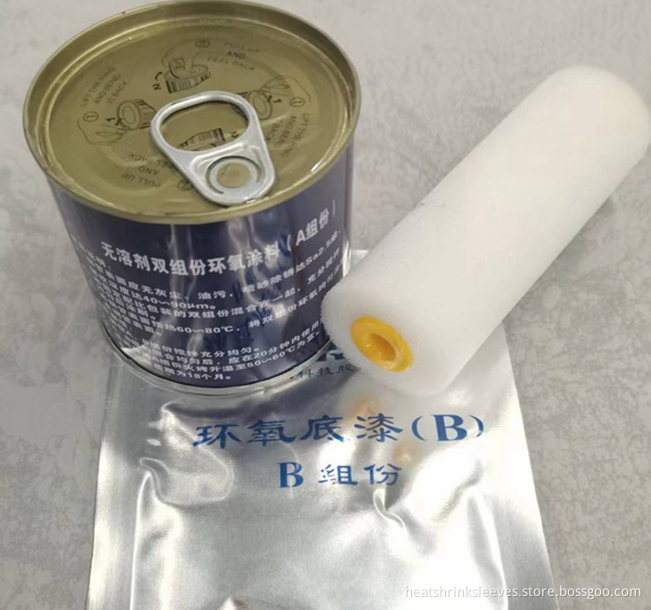
Selecting the correct solvent-free epoxy system requires matching technical specifications to your specific environment. Key factors include substrate type, exposure conditions (immersion, splash, or atmospheric), and required service life.
We offer tailored formulations ranging from fast-curing primers for high-speed production lines to heavy-duty topcoats for offshore platforms. Our technical team assists in calculating the exact stoichiometric ratios and pot life requirements for your specific application method, whether it be spray, roller, or trowel.
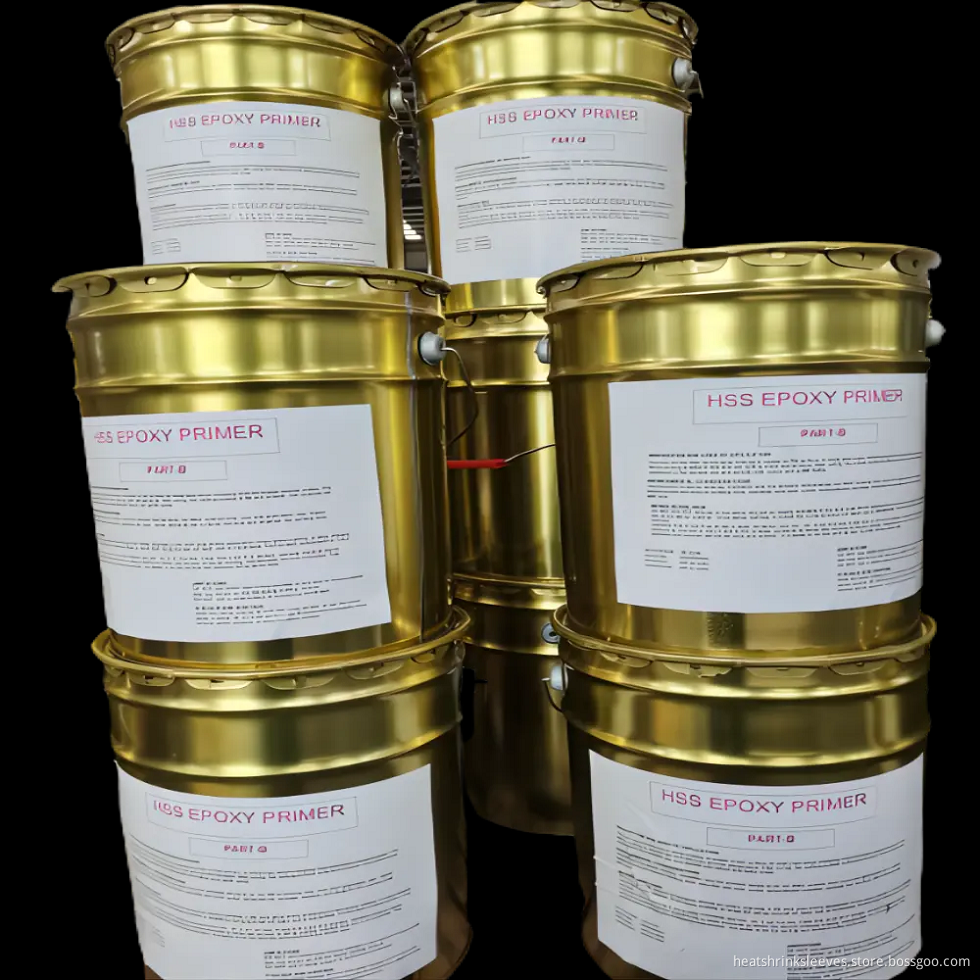
Solvent-free epoxies often have shorter pot lives once mixed. Procurement must coordinate delivery schedules closely with application rates to prevent material waste.
Resin components can settle or crystallize at low temperatures. Ensure your storage facilities maintain recommended temperatures to preserve product integrity.
High-performance coatings demand high-surface preparation (e.g., Sa 2.5). Budget adequately for abrasive blasting rather than relying on the coating to bridge surface defects.
Look for suppliers who manufacture both the raw resin and the final coating. This vertical integration, seen in companies backed by major research academies, ensures tighter quality control and faster troubleshooting support.
Prioritize vendors who provide on-site technical assistance during the first application. Proper mixing ratios and application techniques are critical for solvent-free systems to achieve their full potential.
The primary advantage is environmental compliance due to zero VOC emissions. Additionally, solvent-free systems provide higher dry film thickness in a single coat, faster cure times, and better mechanical properties because there are no solvents to evaporate and leave behind micro-pores.
Pot life is the working time after mixing. Since these materials cure chemically, they cannot be stored once mixed. You must plan your order quantities and application schedule to ensure the mixed material is used within the specified window (often 30-60 minutes) to avoid costly waste.
Standard formulations may cure slowly or not at all below 10°C (50°F). However, specialized low-temperature curing variants are available. Always check the Technical Data Sheet (TDS) for minimum application temperatures and consider using accelerators if winter application is required.
Yes, many high-build solvent-free epoxies are specifically formulated for immersion service in water, sewage, oil, and chemical tanks. They offer excellent osmotic resistance and adhesion, preventing underfilm corrosion even when constantly submerged.
About Us
Related Products List
Contact Us

Privacy statement: Your privacy is very important to Us. Our company promises not to disclose your personal information to any external company with out your explicit permission.
Fill in more information so that we can get in touch with you faster
Privacy statement: Your privacy is very important to Us. Our company promises not to disclose your personal information to any external company with out your explicit permission.