


Send Message
Privacy statement: Your privacy is very important to Us. Our company promises not to disclose your personal information to any external company with out your explicit permission.
 SICHUAN FOREVER RADIATION TECHNOLOGY CO.,LTD


Epoxy steel coating is a specialized protective barrier applied to steel surfaces to prevent corrosion, chemical degradation, and environmental wear. In the industrial sector, particularly within pipeline infrastructure and heavy machinery, it serves as the first line of defense against rust and structural failure.
For procurement managers, choosing the right epoxy coating system isn't just about surface finish—it's about asset longevity. A high-quality epoxy formulation ensures that steel assets maintain their integrity under harsh conditions, reducing maintenance downtime and extending the service life of critical equipment. This protection is vital for industries where unplanned outages can lead to significant financial losses and safety hazards.
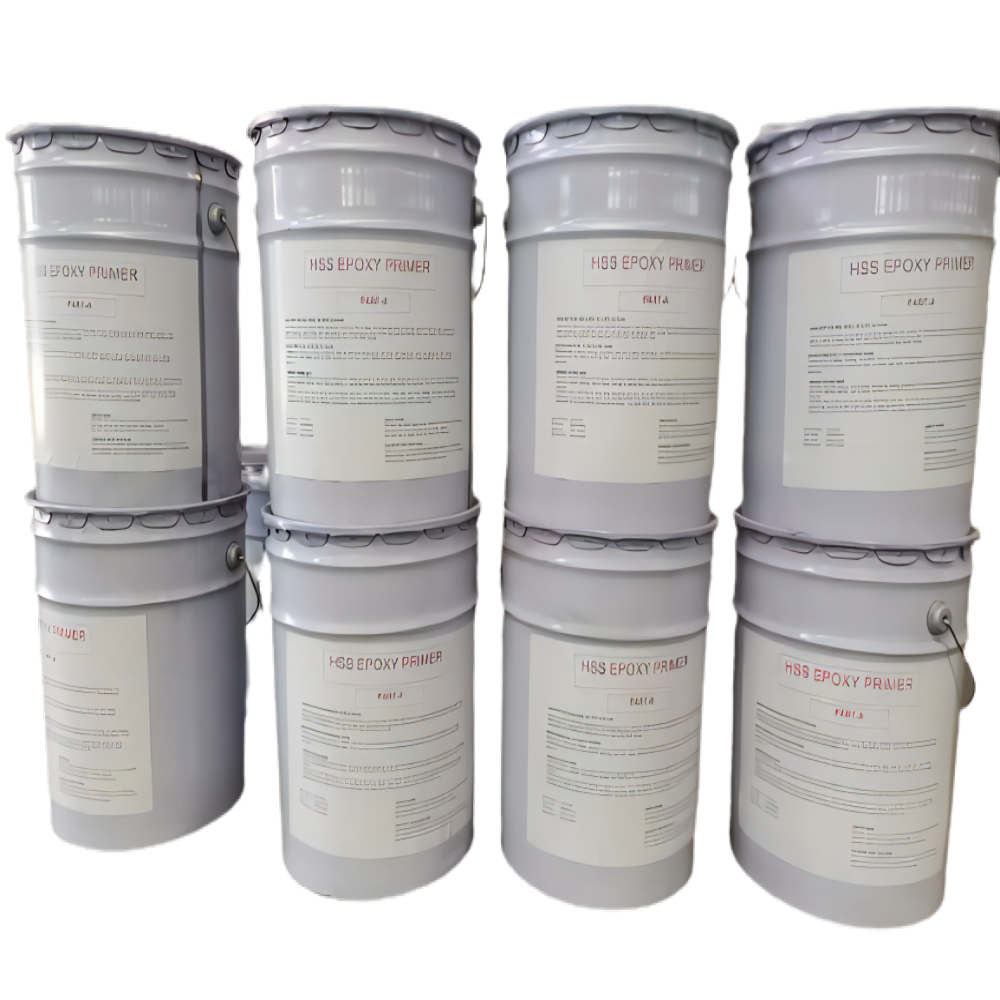
Our epoxy steel coatings are manufactured under rigorous quality control protocols, ensuring batch-to-batch consistency that meets international standards. As part of Sichuan Forever Radiation Technology Co., Ltd—a subsidiary of the China Academy of Engineering Physics—we leverage decades of experience in radiation crosslinking technology and advanced polymer science.
Why this matters for your supply chain: Consistent viscosity, adhesion strength, and curing times mean fewer production delays and reliable application results. Our state-of-the-art facilities utilize electron beam irradiation technology to enhance molecular bonding, resulting in coatings that offer superior chemical resistance and mechanical durability compared to standard thermosetting epoxies.
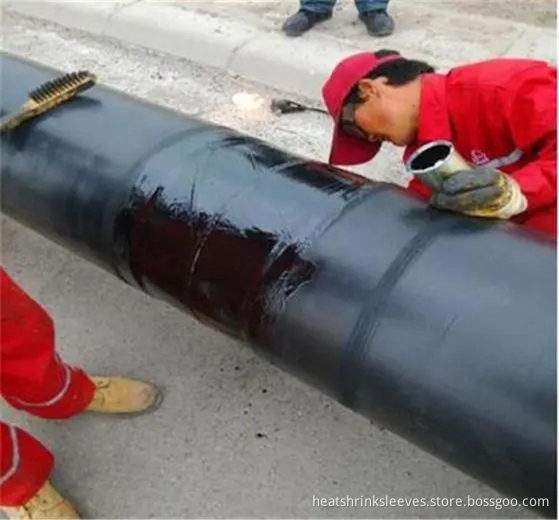
Selecting the optimal epoxy steel coating requires matching specific chemical and physical properties to your operating environment. Key factors include substrate preparation requirements, expected service temperature, exposure to chemicals or UV radiation, and mechanical stress levels.
Our technical team provides detailed specification sheets and consultation to help you select the exact product grade that minimizes total cost of ownership while maximizing protection.
Internal and external corrosion protection for oil, gas, and water transmission pipelines. Our epoxy systems provide long-term barrier protection against soil stresses and chemical attack.
High-performance anti-corrosion coatings for ship hulls, offshore platforms, and marine structures exposed to saltwater environments and extreme humidity.
Heavy-duty epoxy flooring systems for factories, warehouses, and processing plants requiring resistance to chemical spills, impact, and abrasion.
Protective primers and topcoats for bridges, buildings, and industrial steel frameworks to extend service life and reduce maintenance frequency.
Precision coating solutions for automotive components, providing both aesthetic finish and functional protection against road salts and environmental factors.
Specialized coatings for wind turbine towers, solar panel frames, and power generation equipment, designed to withstand harsh outdoor conditions.
Poor surface preparation or incompatible primer selection leads to coating delamination. Always verify substrate compatibility and ensure proper cleaning procedures before application.
Incorrect mixing ratios or inadequate environmental conditions during application can result in soft spots and reduced chemical resistance. Follow manufacturer guidelines strictly.
Unreliable suppliers may miss delivery windows, causing project standoffs. Partner with manufacturers who have robust inventory management and proven logistics networks.
Low initial quotes often mask additional expenses for specialized equipment, training, or rework. Evaluate total cost of ownership rather than unit price alone.
Strengths: Backed by China Academy of Engineering Physics, offering cutting-edge radiation crosslinking technology and extensive R&D capabilities.
Ideal For: Projects requiring custom formulations, high-performance specialty coatings, and suppliers with strong scientific backing.
Strengths: Wide product portfolios, global distribution networks, and standardized quality assurance processes.
Ideal For: Standard applications with well-defined specifications and need for readily available stock items.
Strengths: Competitive pricing, localized technical support, and faster response times for regional buyers.
Ideal For: Cost-sensitive projects and buyers prioritizing local supply chain relationships and reduced shipping costs.
Strengths: Custom branding, tailored packaging, and flexible minimum order quantities for private label programs.
Ideal For: Distributors and traders looking to establish their own branded coating product lines.
Most epoxy coatings have a shelf life of 6-12 months when stored properly in sealed containers at recommended temperatures. Always check the manufacturer's date code and storage recommendations to ensure optimal performance upon use.
Proper surface preparation is critical. Standard practices include abrasive blasting to achieve Sa 2.5 or Sa 3 cleanliness, followed by thorough cleaning to remove dust, oil, and moisture. The surface profile should match the coating manufacturer's specifications for optimal adhesion.
Standard epoxy formulations are sensitive to moisture during application and curing. High humidity can cause blushing or poor adhesion. Some specialized moisture-cure epoxies exist, but generally, application should occur when relative humidity is below 85% and surface temperature is at least 3°C above dew point.
Typical dry film thickness ranges from 75 to 500 microns depending on the application severity. Light duty interior applications may use 75-125 microns, while aggressive industrial or marine environments often require 250-500 microns or more, sometimes applied in multiple coats.
Yes, our R&D team specializes in developing custom epoxy formulations tailored to unique operational requirements. Whether you need enhanced chemical resistance, specific color matching, or modified curing characteristics, we can engineer solutions to meet your exact specifications.
Reputable suppliers should comply with ISO 9001 for quality management, and their products should meet relevant industry standards such as NACE, SSPC, or ISO 12944 for corrosion protection. Additional certifications like REACH or RoHS may be required depending on your region and application.
About Us
Related Products List
Contact Us

Privacy statement: Your privacy is very important to Us. Our company promises not to disclose your personal information to any external company with out your explicit permission.
Fill in more information so that we can get in touch with you faster
Privacy statement: Your privacy is very important to Us. Our company promises not to disclose your personal information to any external company with out your explicit permission.