


Send Message
Privacy statement: Your privacy is very important to Us. Our company promises not to disclose your personal information to any external company with out your explicit permission.
 SICHUAN FOREVER RADIATION TECHNOLOGY CO.,LTD


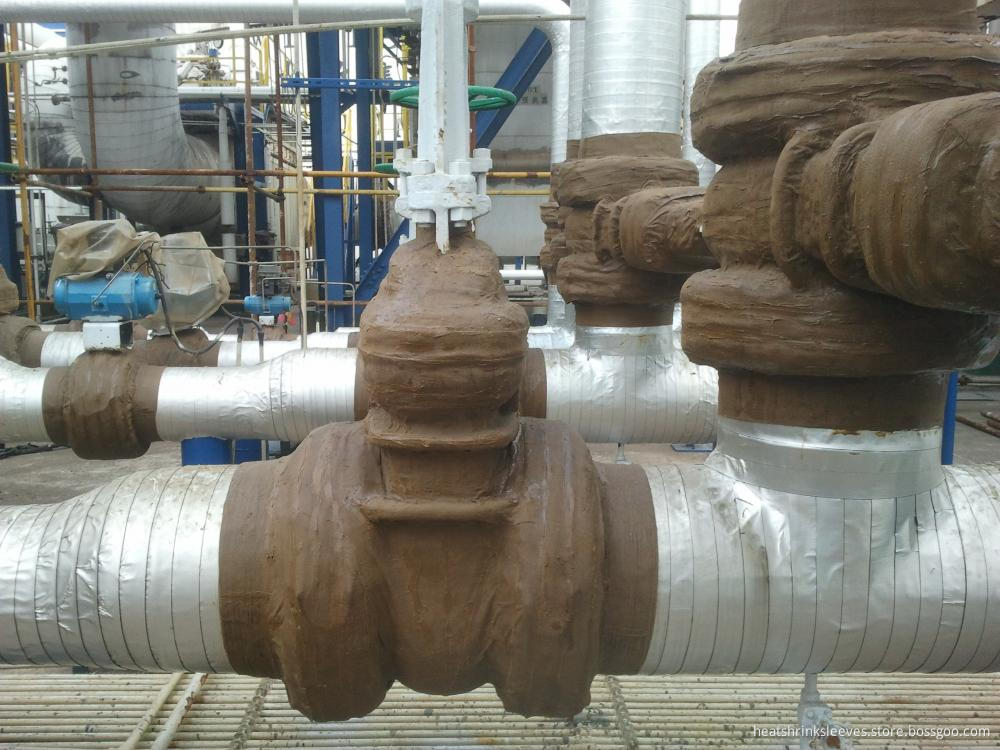
Anticorrosive coating tape is a specialized protective solution designed to shield pipelines and metal structures from harsh environmental degradation. Unlike traditional liquid coatings that require complex curing processes, these tapes offer immediate protection through high-performance polymers and pressure-sensitive adhesives.
For procurement managers, the primary advantage of anticorrosive coating tape lies in its application efficiency. It provides a continuous, seamless barrier against moisture, chemicals, and soil stress, significantly extending asset lifespan while reducing long-term maintenance costs.
Key Benefit: Streamlined application reduces on-site labor time and ensures consistent corrosion resistance across complex geometries.
Our manufacturing utilizes electron beam irradiation technology inherited from the China Academy of Engineering Physics. This process creates a stable molecular crosslinked structure, ensuring the tape withstands extreme temperatures and mechanical stress without degrading.
As the birthplace of China's radiation crosslinking materials, our facility operates under the rigorous standards of Sichuan Forever Holding Group. This institutional backing guarantees traceable raw materials and consistent batch quality for global projects.
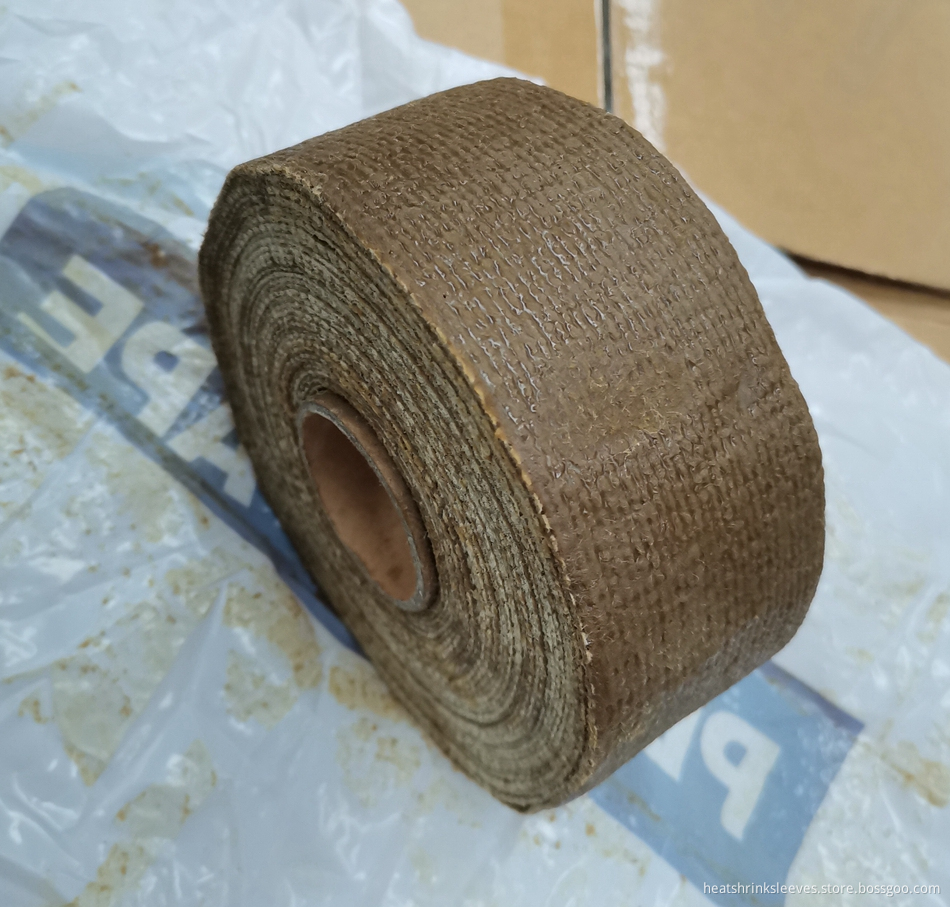
Evaluate the adhesive's wetting ability and bond strength. High-quality cold-applied tapes must adhere reliably to various surface preparations (Sa2.5 or Sa3) even in humid conditions, preventing disbondment over time.
Prioritize tapes made from modified ethylene copolymers or radiation-crosslinked polyethylene. These materials offer superior resistance to cathodic disbondment and chemical penetration compared to standard PVC or PE films.
Match the tape specification to your operating temperature and soil conditions. For deep-sea or arctic pipelines, select tapes with flexible adhesives that maintain integrity under thermal cycling and hydrostatic pressure.
Verify cathodic disbondment resistance meets project specifications.
Confirm peel adhesion strength data from independent lab tests.
Check water vapor transmission rate for long-term moisture barrier efficacy.
Assess manufacturer's production capacity for large-volume orders.
Review third-party inspection services and quality control documentation.
Ensure availability of compatible installation tools and technical support.
Improper cleaning before application leads to poor adhesion. Ensure suppliers provide guidelines for surface profile requirements (e.g., Sa2.5) and compatible primers.
Cold-applied tapes can be sensitive to ambient temperature during installation. Low temperatures may reduce tack, requiring specific storage conditions or pre-heating protocols.
Incorrect overlap during wrapping creates weak points. Standardize application procedures to maintain consistent lap widths, typically 50-55mm, to ensure a continuous barrier.
Look for manufacturers backed by national research institutes like CAEP. They offer advanced radiation crosslinking technology, ensuring product consistency and access to cutting-edge material science.
Select suppliers who provide not just the tape, but also primer, melt stick, and installation tools. This integrated approach simplifies procurement and ensures component compatibility.
Partner with factories offering OEM services and third-party inspection coordination. This flexibility supports custom branding needs and facilitates smooth customs clearance and audits.
Cold applied tape relies on pressure-sensitive adhesives and does not require heat for installation, making it ideal for field repairs and complex geometries. Heat shrink tape requires a flame or heat gun to activate the adhesive and shrink the polymer, providing a robust bond for factory applications.
Radiation crosslinking creates a three-dimensional molecular network within the polymer. This significantly enhances the tape's resistance to temperature changes, mechanical stress, and chemical exposure, preventing the material from melting or becoming brittle over time.
While some advanced cold-applied tapes have better tolerance to moisture, best practice dictates applying them to dry, clean surfaces. Moisture can interfere with adhesive bonding. Always consult the technical data sheet for specific surface preparation requirements.
High-quality radiation crosslinked anticorrosive tapes are designed for long-term protection, often exceeding 30-50 years in buried pipeline applications. The actual lifespan depends on environmental conditions, installation quality, and the specific grade of the material selected.
About Us
Related Products List
Contact Us

Privacy statement: Your privacy is very important to Us. Our company promises not to disclose your personal information to any external company with out your explicit permission.
Fill in more information so that we can get in touch with you faster
Privacy statement: Your privacy is very important to Us. Our company promises not to disclose your personal information to any external company with out your explicit permission.