


Send Message
Privacy statement: Your privacy is very important to Us. Our company promises not to disclose your personal information to any external company with out your explicit permission.
 SICHUAN FOREVER RADIATION TECHNOLOGY CO.,LTD


High temperature visco tape is a specialized polymeric sealing material engineered to withstand extreme thermal environments while maintaining exceptional adhesion and flexibility. Unlike standard tapes that degrade or lose tack under heat stress, viscoelastic compounds flow into surface irregularities to create a monolithic, watertight barrier.
In the context of pipeline protection and industrial insulation, high temperature visco tape serves as a critical component of corrosion prevention systems. It is designed to handle continuous operating temperatures that would cause conventional materials to fail, ensuring long-term asset protection in demanding sectors such as oil & gas transmission, district heating, and chemical processing.
The technology behind these tapes leverages advanced polymer science to deliver a self-amalgamating seal. This means the tape bonds to itself rather than just the substrate, creating a seamless, joint-free membrane that resists water ingress, chemical attack, and mechanical damage over decades of service life.
Selecting the right sealing solution is critical for minimizing downtime and reducing lifecycle costs. High temperature visco tape offers distinct advantages over traditional coating systems:
Engineered to maintain performance at elevated temperatures where other tapes soften, drip, or lose adhesion. This ensures reliable protection in steam lines, hot oil pipelines, and industrial furnaces.
The viscoelastic compound flows into itself upon application, creating a seamless, monolithic barrier. This eliminates the risk of joint failure—a common weakness in traditional wrapping systems.
No curing time required. The tape can be applied quickly in the field using manual or mechanical winding tools, significantly reducing labor costs and accelerating project timelines compared to liquid-applied coatings.
Provides an impermeable barrier against moisture, chemicals, and soil stresses. When used with primer systems, it delivers proven cathodic disbondment resistance, protecting steel assets from costly corrosion.
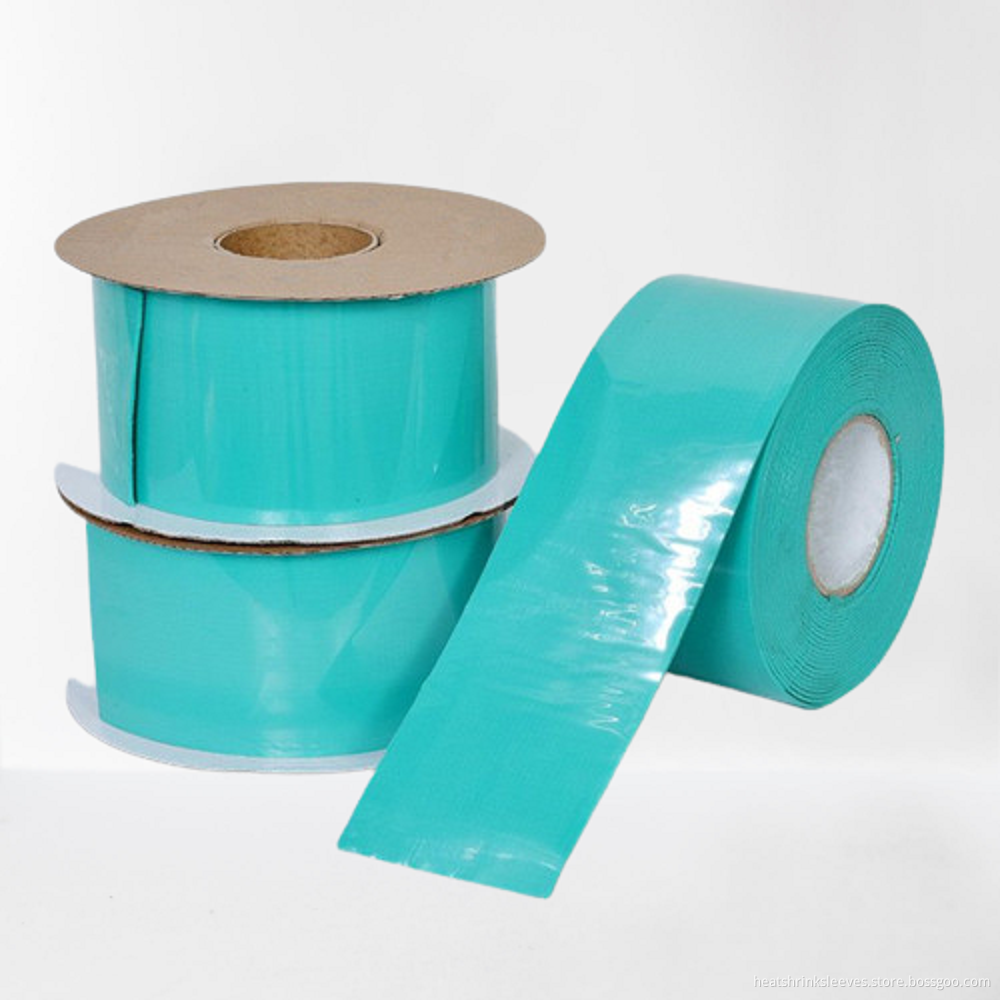
Manufacturing precision is paramount when producing tapes that must perform reliably in extreme conditions. Our production facilities utilize state-of-the-art radiation crosslinking technology to ensure consistent material properties across every batch.
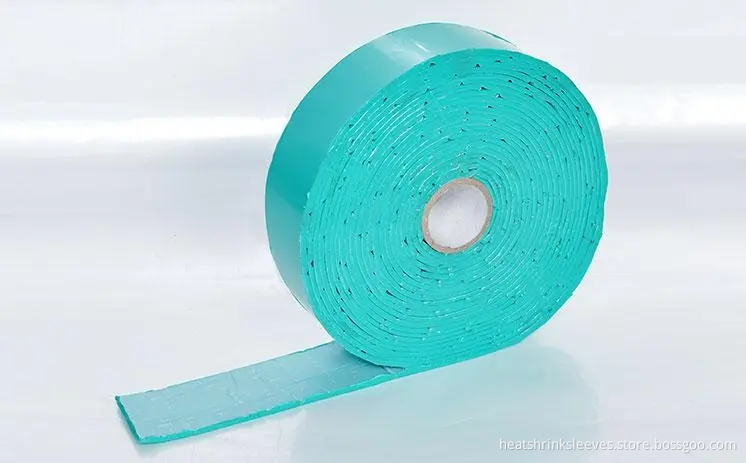
Our visco tapes are produced using electron beam irradiation crosslinking, a process inherited from our parent company's expertise in nuclear technology and accelerator applications. This creates a stable molecular structure that resists thermal degradation and maintains elasticity over extended service periods.
Every production batch undergoes comprehensive testing including peel adhesion, shear resistance, thermal aging, and water absorption analysis. Our quality management system ensures compliance with international standards for pipeline coating materials and industrial sealing products.
Selecting the appropriate visco tape requires careful consideration of your specific operating conditions, substrate type, and regulatory requirements. Follow this guide to ensure you specify the correct product for optimal performance and cost efficiency.
Identify the maximum continuous and peak temperatures your pipeline or equipment will experience. Standard visco tapes may suffice for moderate heat (up to 80°C), while high-performance grades are required for temperatures exceeding 100°C up to 140°C or higher.
Ensure the tape formulation is compatible with your pipe material—whether carbon steel, stainless steel, HDPE, or existing coating surfaces. Some visco compounds require specific primers for optimal adhesion, particularly on smooth or contaminated surfaces.
Consider exposure to UV radiation, chemical splashes, soil chemistry, and mechanical abrasion. For buried applications, select tapes with proven cathodic disbondment resistance. For above-ground use, verify UV stability or plan for an outer protective jacket.
Verify that the product meets relevant industry standards such as ISO, NACE, or DNV specifications. Many pipeline operators require documented test reports and third-party certification before approving materials for critical infrastructure projects.
Use this checklist to evaluate potential suppliers and ensure your procurement decision minimizes risk while maximizing long-term value. Each item addresses a critical factor in securing reliable, high-performance sealing materials.
When sourcing high temperature visco tape, partnering with an experienced manufacturer who understands the unique demands of industrial sealing applications is essential. Look for suppliers with proven track records in radiation crosslinking technology and polymer material development.
Suppliers utilizing electron beam irradiation for crosslinking produce superior viscoelastic properties compared to chemically crosslinked alternatives. This technology ensures consistent molecular bonding and enhanced thermal resistance.
Choose manufacturers with established production facilities capable of fulfilling large-volume orders without compromising quality. A vertically integrated operation—from raw material sourcing to finished product—offers greater supply chain control.
The best suppliers provide comprehensive technical documentation, installation guidelines, and on-site support. This reduces the risk of improper application and ensures your team achieves optimal sealing performance.
Request references from similar projects in your sector. Suppliers with extensive experience in pipeline protection, district heating, or industrial insulation demonstrate validated product performance in real-world conditions.
Procurement teams frequently encounter challenges when sourcing visco tapes from unfamiliar suppliers. Understanding these common pitfalls helps you avoid costly mistakes and secure reliable, high-quality materials for your projects.
Low-quality visco tapes often exhibit variable peel adhesion due to inconsistent compounding or inadequate crosslinking. This leads to premature delamination and compromised corrosion protection. Always request batch-specific test data before placing orders.
Some manufacturers exaggerate temperature ratings. Tapes that appear adequate at room temperature may soften, slump, or lose mechanical integrity when exposed to sustained heat. Verify thermal aging test results under actual operating conditions.
Viscoelastic compounds have limited shelf life, typically 12–24 months from manufacture. Older stock may exhibit reduced tack or excessive stiffness. Confirm production dates and storage conditions to ensure you receive fresh, fully functional material.
Reputable suppliers provide detailed product data sheets, safety data sheets (SDS), and application manuals. Missing documentation often indicates a trading company rather than a manufacturer, which can lead to compatibility issues and warranty disputes.
High temperature visco tape is utilized across diverse industries where reliable sealing and corrosion protection are critical. Its versatility makes it suitable for both new construction and maintenance applications in demanding environments.
Used for girth weld protection, valve and fitting insulation, and repair of damaged coating systems on crude oil, refined products, and natural gas transmission lines. Provides long-term corrosion protection in harsh environmental conditions.
Essential for insulating and sealing pre-insulated pipe joints in district heating networks where operating temperatures routinely exceed 100°C. Prevents heat loss and protects steel carriers from external corrosion.
Protects piping and equipment from aggressive chemical environments, including acid and alkali exposure. The self-amalgamating nature of visco tape ensures complete coverage around complex geometries and irregular surfaces.
Provides corrosion protection for submerged and splash-zone components on offshore platforms, FPSOs, and subsea pipelines. Resists saltwater immersion and biofouling while maintaining adhesion under dynamic loading conditions.
Seals and insulates steam lines, condensate return systems, and turbine piping in thermal power plants. Withstands high temperatures and pressure fluctuations while providing electrical insulation for instrumentation cables.
Ideal for emergency repairs and preventive maintenance on aging infrastructure. Can be applied to wet or slightly contaminated surfaces, making it invaluable for unplanned shutdowns and rapid response scenarios.
Answers to the most common questions from procurement professionals and engineering teams evaluating high temperature visco tape solutions.
Standard high temperature visco tapes are rated for continuous operating temperatures up to 80°C. High-performance formulations can withstand temperatures between 100°C and 140°C, depending on the specific polymer compound and crosslinking density. Peak temperatures may be higher for short durations. Always verify the thermal rating against your specific application requirements and request test data from the manufacturer.
In many applications, especially on bare steel or previously coated surfaces, a compatible primer is recommended to ensure optimal adhesion. Primers improve surface energy, displace moisture, and create a chemical bridge between the substrate and the visco tape. Our technical team can recommend the appropriate primer system based on your substrate material and surface condition.
Yes, but with precautions. Visco tapes should be stored at temperatures above 15°C prior to application. If ambient temperatures are below 5°C, the tape material may become stiff and difficult to apply. Pre-warming the tape roll and ensuring the substrate surface is dry and free of ice or condensation is essential for achieving proper adhesion in cold weather conditions.
Typically 12 to 24 months from the date of manufacture when stored in original packaging at temperatures between 10°C and 25°C, away from direct sunlight and moisture. Always check the production date on each roll and rotate stock accordingly. Using aged tape beyond its shelf life may result in reduced tack and compromised sealing performance.
Yes, high quality visco tapes are designed to be compatible with cathodic protection (CP) systems. They exhibit excellent cathodic disbondment resistance, meaning the tape will not lift or separate from the pipe surface even when CP current is applied. This makes them ideal for buried pipeline applications where CP is used as a secondary corrosion protection measure.
Both systems offer effective corrosion protection, but they serve different needs. Heat shrink sleeves provide a rigid, mechanically robust outer jacket ideal for burial and backfill protection. Visco tape is more flexible, conforms better to irregular shapes, and requires no heat source for application. In practice, they are often used together—visco tape for sealing and heat shrink sleeve for mechanical protection.
About Us
Related Products List
Contact Us

Privacy statement: Your privacy is very important to Us. Our company promises not to disclose your personal information to any external company with out your explicit permission.
Fill in more information so that we can get in touch with you faster
Privacy statement: Your privacy is very important to Us. Our company promises not to disclose your personal information to any external company with out your explicit permission.