


Send Message
Privacy statement: Your privacy is very important to Us. Our company promises not to disclose your personal information to any external company with out your explicit permission.
 SICHUAN FOREVER RADIATION TECHNOLOGY CO.,LTD


Grease tape serves as a critical component in pipeline corrosion protection systems, providing an effective moisture barrier and mechanical seal around pipe joints, valves, and fittings. This specialized polyethylene-based tape is designed to withstand harsh environmental conditions while maintaining long-term adhesion properties that protect underground and submerged infrastructure from degradation.
The primary function of grease tape extends beyond simple weatherproofing. When applied correctly to steel pipelines, it creates a continuous protective layer that prevents water ingress, chemical exposure, and electrochemical corrosion processes. For procurement managers overseeing large-scale pipeline projects, understanding the technical specifications and application requirements of grease tape ensures optimal system performance and reduces lifecycle maintenance costs.
Modern grease tape formulations incorporate advanced pressure-sensitive adhesives that bond effectively to various substrate materials including steel, copper, and composite pipes. The tape's flexibility allows it to conform to irregular surfaces and complex geometries, making it ideal for field applications where precision sealing is essential for long-term asset protection.
Our manufacturing facility operates under rigorous quality control protocols that ensure every batch of grease tape meets international standards for performance and reliability. As the birthplace of China's radiation crosslinking materials, we leverage decades of expertise in polymer science to produce grease tapes with superior adhesive properties and environmental resistance.
The production process utilizes state-of-the-art electron beam irradiation technology to achieve consistent crosslinking density across all product dimensions. This advanced manufacturing approach results in grease tapes that maintain their physical properties over extended service life, even under extreme temperature variations and chemical exposure conditions typical of industrial pipeline applications.
Each grease tape product undergoes comprehensive testing procedures that verify adhesion strength, tensile properties, elongation characteristics, and environmental durability. Our quality assurance team monitors every production stage from raw material selection through final packaging, ensuring consistent product performance that meets or exceeds industry specifications for pipeline protection applications.
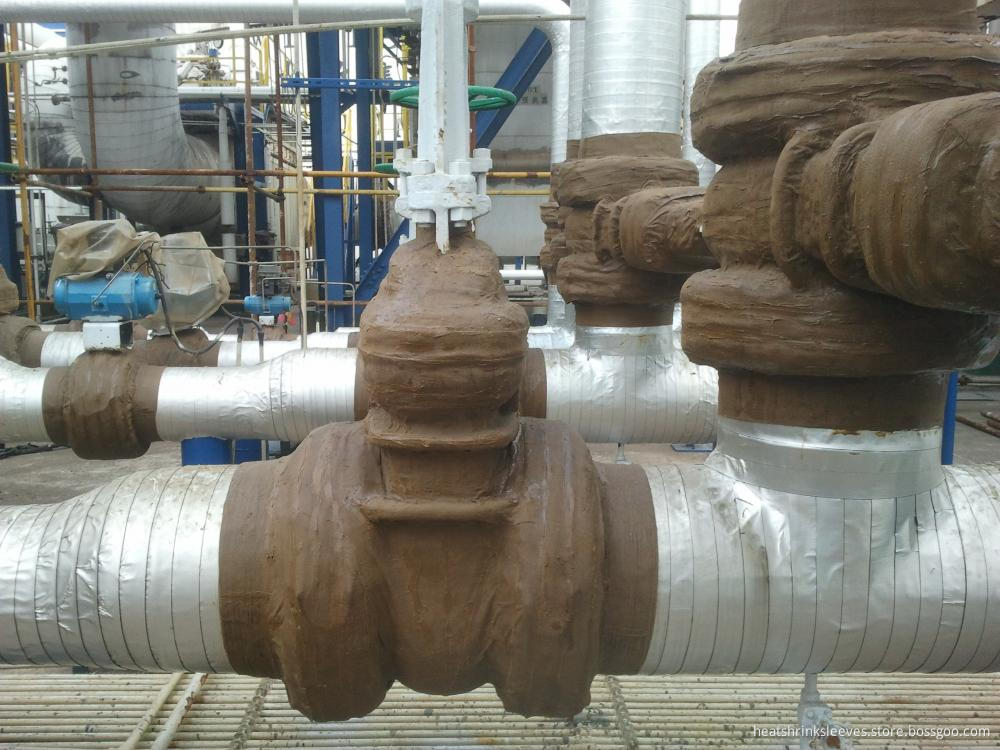
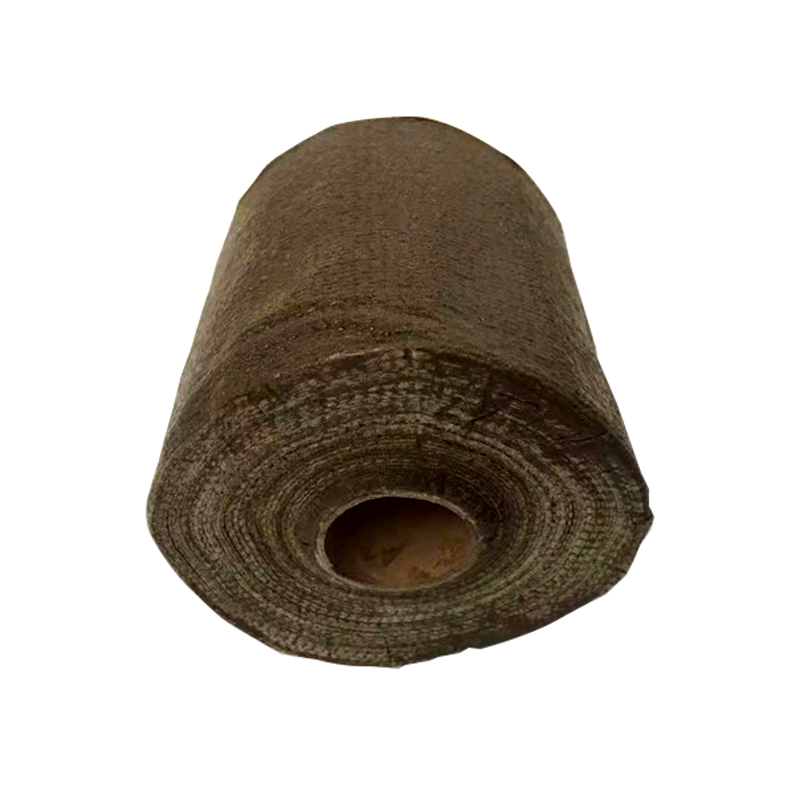
Selecting the appropriate grease tape requires careful consideration of several technical factors that directly impact system performance and longevity. The first step involves evaluating the specific environmental conditions your pipeline will encounter, including soil chemistry, moisture levels, temperature fluctuations, and potential chemical exposure scenarios.
Key specifications to evaluate include adhesive type, tape thickness, width dimensions, and compatibility with existing coating systems. High-performance grease tapes feature modified bitumen or polymer-based adhesives that provide excellent wetting characteristics and long-term bonding stability. The tape must maintain flexibility at low temperatures while resisting softening during high-temperature operations.
Different installation methods require different tape formulations. Manual application benefits from self-fusing tapes that create monolithic seals when properly wrapped, while machine-applied systems may require specific tension characteristics and unwind properties. Ensure your selected grease tape is compatible with your available installation equipment and trained personnel capabilities.
Verify that your chosen grease tape meets relevant industry standards such as ISO 21809, NACE specifications, or client-specific requirements. Reputable manufacturers provide comprehensive technical data sheets and third-party test reports that demonstrate compliance with applicable performance criteria for pipeline protection applications.
When selecting grease tape suppliers, prioritize manufacturers with proven track records in pipeline protection materials and established quality management systems. Look for companies that invest heavily in research and development, maintain comprehensive testing facilities, and offer technical support throughout the procurement and installation process.
Evaluate potential suppliers based on their production capacity, technological sophistication, and ability to meet volume requirements without compromising quality. Leading manufacturers typically operate multiple production lines with automated quality control systems and maintain inventory buffers to ensure reliable delivery schedules.
Choose suppliers who provide comprehensive technical documentation, installation guidelines, and on-site training support. Effective grease tape application requires proper surface preparation, correct wrapping techniques, and quality verification procedures that many contractors need guidance to execute successfully.
Consider suppliers with international distribution networks and local technical representatives who can provide timely support for urgent project requirements. Strong global presence often indicates financial stability, consistent product quality, and commitment to long-term customer relationships in the pipeline protection industry.
Many procurement teams select grease tape based solely on price without considering technical requirements for specific application environments. This leads to premature failure, costly rework, and compromised pipeline integrity. Always match product specifications to actual operating conditions including temperature ranges, chemical exposure, and mechanical stress factors.
Purchasing from manufacturers without proper quality management systems can result in inconsistent product performance and failed inspections. Verify that suppliers maintain documented quality procedures, conduct regular product testing, and provide comprehensive certification packages with each shipment.
Grease tape products are sensitive to temperature extremes, UV exposure, and physical damage during storage and transportation. Ensure suppliers package products appropriately and provide clear handling instructions to maintain product quality from factory to installation site.
Missing or incomplete technical data sheets can lead to improper product selection and installation errors. Require comprehensive documentation including application guidelines, surface preparation requirements, compatibility information, and performance specifications before placing orders.
Late deliveries disrupt construction schedules and increase project costs. Establish clear delivery timelines with suppliers, monitor production progress regularly, and maintain buffer stock levels to accommodate unexpected delays or additional requirements during project execution.
When properly specified and installed, modern grease tape systems typically provide 20-30 years of corrosion protection for buried and submerged pipelines. Actual service life depends on environmental conditions, installation quality, and compatibility with underlying coating systems. Regular inspection programs help identify any degradation early and extend overall system performance.
Most grease tape products require dry surface conditions for optimal adhesion. However, some advanced formulations can tolerate minor moisture contamination. Always consult manufacturer guidelines and perform surface preparation according to recommended procedures to ensure maximum bond strength and long-term performance.
Check product markings, batch numbers, and expiration dates against purchase orders. Request certificates of conformity and test reports from the manufacturer. Perform visual inspections for packaging damage and conduct basic field tests such as adhesion checks and dimensional measurements to verify product specifications.
Minimum order quantities vary by manufacturer and product type. Standard products typically have lower MOQs compared to custom specifications. Discuss your project requirements with suppliers early in the procurement process to negotiate favorable terms and explore options for smaller initial orders or sample quantities.
Grease tape waste should be disposed of according to local environmental regulations and company policies. Most polyethylene-based tapes are inert and pose minimal environmental risk, but contaminated waste from pipeline repair applications may require special handling. Consult with environmental specialists and suppliers for proper disposal procedures.
About Us
Related Products List
Contact Us

Privacy statement: Your privacy is very important to Us. Our company promises not to disclose your personal information to any external company with out your explicit permission.
Fill in more information so that we can get in touch with you faster
Privacy statement: Your privacy is very important to Us. Our company promises not to disclose your personal information to any external company with out your explicit permission.