


Send Message
Privacy statement: Your privacy is very important to Us. Our company promises not to disclose your personal information to any external company with out your explicit permission.
 SICHUAN FOREVER RADIATION TECHNOLOGY CO.,LTD


Corrosion protection primer is a specialized coating applied as the first layer to metal surfaces before any additional protective finishes or insulation materials are installed. In pipeline engineering, it serves as the critical interface between bare steel and external protection systems like heat shrink sleeves or 3LPE coatings.
The primary function of a corrosion protection primer is to provide exceptional adhesion to the metal substrate while creating a chemically inert barrier that prevents moisture, oxygen, and corrosive agents from reaching the steel surface. Without this essential first layer, even the highest quality external coatings will fail prematurely due to poor bonding and underlying corrosion.
Modern corrosion protection primers are formulated using advanced polymer technologies, including epoxy-based, polyurethane, and radiation-crosslinked formulations. These primers cure to form dense, continuous films that deliver long-term cathodic disbondment resistance, ensuring your pipeline infrastructure remains protected throughout its operational lifetime.
Sichuan Forever Radiation Technology Co.,Ltd operates as the National Radiation Crosslinking Heat Shrinkable Material Technology Center, bringing decades of nuclear technology expertise to corrosion protection primer production. Our manufacturing facility leverages electron beam irradiation crosslinking technology — inherited from China Academy of Engineering Physics (CAEP) — to produce primers with superior chemical resistance and mechanical performance.
Every batch of corrosion protection primer undergoes rigorous quality control testing, including adhesion pull-off tests, salt spray resistance evaluation, cathodic disbondment testing, and impact resistance measurements. Our epoxy primer products meet international pipeline standards and are engineered specifically for compatibility with heat shrink sleeves, 3LPE/3LPP coatings, and cold-applied tape systems.
Our quality assurance extends beyond the factory floor. We provide third-party inspection services and OEM heat shrinkable material support, giving procurement teams complete visibility into every stage of production. This transparency reduces supply chain risk and ensures consistent batch-to-batch quality for your projects.
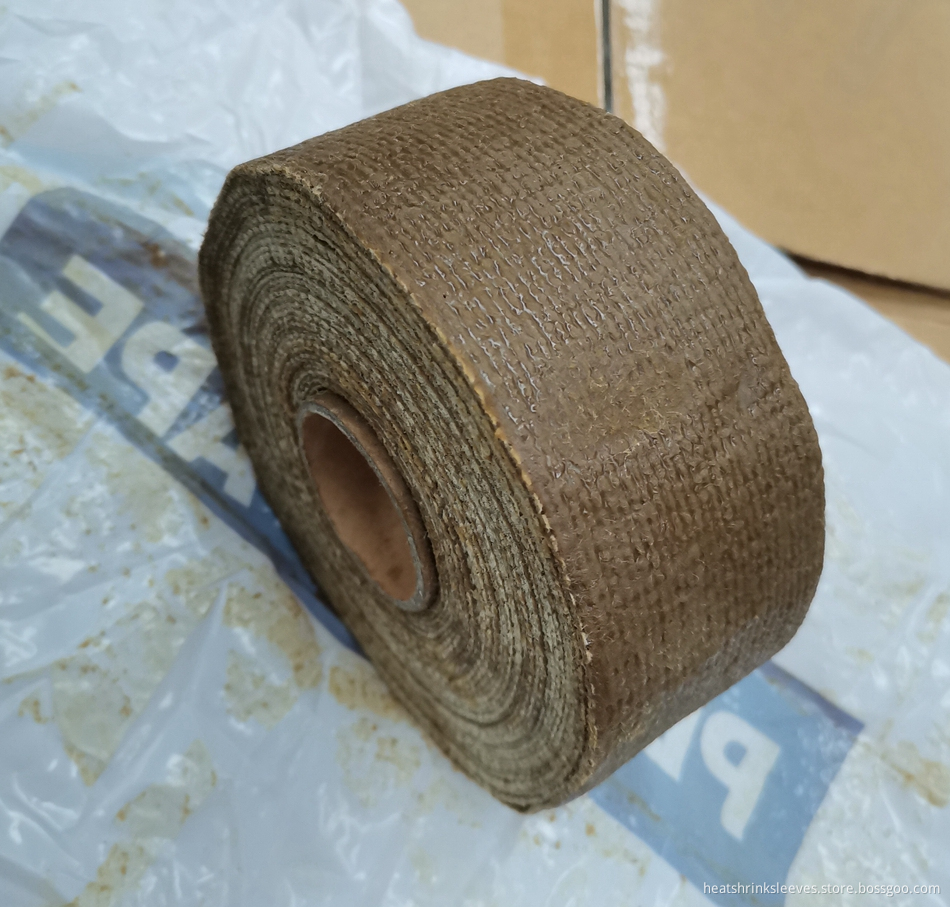
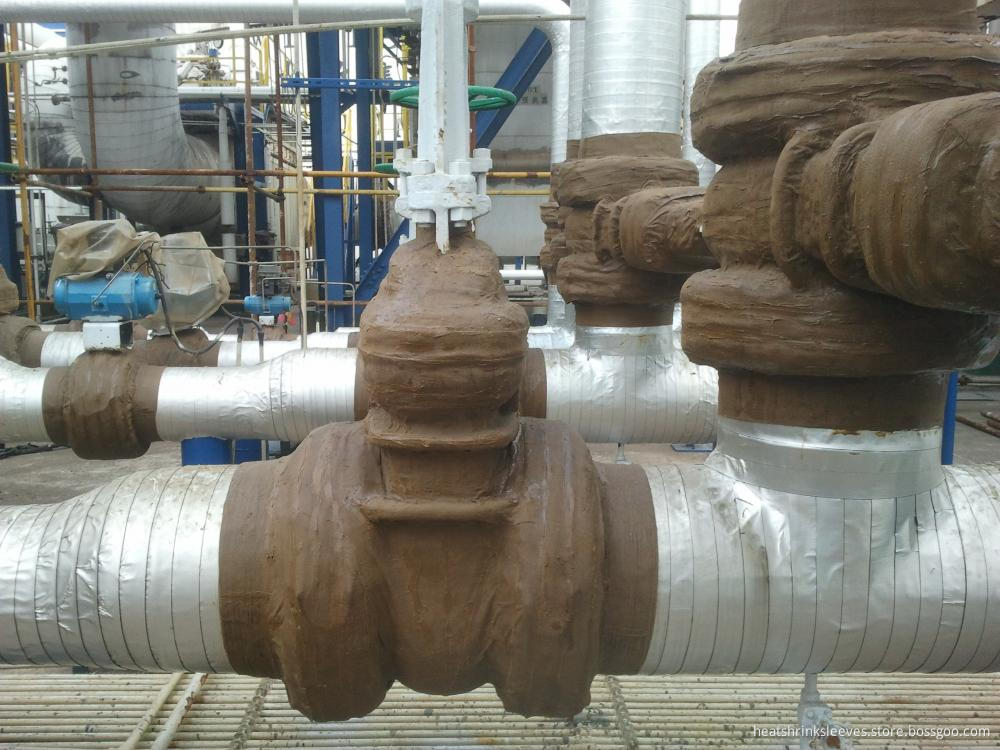
The most critical factor when selecting a corrosion protection primer is its compatibility with your chosen external coating system. Whether you are specifying 3LPE heat shrinkable sleeves, 3LPP wrapping tapes, or cold-applied tapes, the primer must form a molecular bond that allows the entire coating system to function as a unified barrier. Mismatched primer-coating combinations lead to delamination and premature failure.
Different environments demand different primer formulations. For pipelines crossing acidic soils, high-moisture zones, or areas with aggressive chemical contamination, you need an epoxy-based corrosion protection primer with enhanced chemical resistance. Marine environments require primers with superior salt spray performance and cathodic disbondment ratings.
Consider whether your project requires radiation-crosslinked primers, solvent-based formulations, or waterborne alternatives. Radiation-crosslinked primers offer superior crosslink density and chemical resistance but require controlled curing conditions. Evaluate your field capabilities, ambient temperature ranges, and surface preparation methods before making your selection.
Use this comprehensive checklist to evaluate potential corrosion protection primer suppliers and ensure your procurement decision minimizes risk and maximizes pipeline longevity.
Procurement professionals frequently encounter challenges when sourcing corrosion protection primers. Understanding these common issues and their solutions helps prevent costly delays and specification failures.
Buyers often report that primers fail adhesion tests after field application, leading to coating delamination and pipeline vulnerability. This typically stems from inadequate surface preparation, incorrect application thickness, or incompatible primer-substrate pairing.
Select primers from manufacturers who provide comprehensive technical guidance on surface preparation standards (Sa2.5/Sa3). Ensure proper SSPC surface preparation protocols are followed, and verify primer compatibility with your specific steel grade and environmental conditions before bulk ordering.
Variations in viscosity, color, curing time, and chemical composition between batches create uncertainty in coating performance. Buyers face rework costs and schedule delays when each shipment performs differently on site.
Partner with established manufacturers like Sichuan Forever Radiation Technology that operate under strict quality management systems. Request batch-specific test certificates and utilize third-party inspection services for pre-shipment verification. Manufacturers with radiation crosslinking technology typically demonstrate superior batch consistency.
When corrosion protection primer is paired with incompatible heat shrink sleeves or 3LPE systems, buyers experience cohesive failure at the primer-coating interface. This creates pathways for moisture ingress and accelerated corrosion under the insulation.
Source primer and heat shrink sleeve systems from integrated manufacturers who understand the chemistry of both products. Sichuan Forever Radiation Technology produces both epoxy primers and heat shrinkable materials, ensuring perfect compatibility between all components of your corrosion protection system.
Pipeline projects face critical path delays when corrosion protection primer shipments arrive late. International sourcing, customs clearance, and inconsistent production scheduling contribute to unpredictable delivery timelines.
Establish relationships with manufacturers who maintain adequate inventory of standard primer formulations and have streamlined export processes. Discuss lead time commitments upfront and consider maintaining safety stock levels. Suppliers with domestic production facilities can often provide faster turnaround than import-dependent distributors.
Corrosion protection primers serve as the foundational layer in pipeline protection systems across diverse industries. Their versatility and performance make them essential for protecting critical infrastructure in demanding environments.
Transmission and distribution pipelines for crude oil, natural gas, and refined products rely on corrosion protection primers as the first line of defense against soil corrosion, groundwater exposure, and chemical attack. Epoxy primers paired with 3LPE heat shrinkable sleeves provide proven protection for pipelines operating at pressures up to 10MPa and temperatures exceeding 80°C.
Water transmission pipelines, sewage treatment lines, and desalination plants require corrosion protection primers that resist constant moisture exposure and biologically influenced corrosion (MIC). Water-safe formulations protect potable water infrastructure while meeting health and environmental compliance requirements.
Submarine pipelines, offshore platform structures, and coastal infrastructure face aggressive marine environments with high salinity, wave action, and tidal cycling. Advanced corrosion protection primers with superior cathodic disbondment resistance protect submerged and splash-zone steel components where repair access is extremely limited.
Pipelines transporting acids, alkalis, solvents, and other aggressive chemicals demand corrosion protection primers with exceptional chemical resistance. Specialized epoxy and polyurethane primers withstand continuous exposure to pH extremes and prevent substrate degradation in processing and refining facilities.
Pre-insulated district heating pipes use corrosion protection primers beneath polyurethane foam insulation and outer HDPE jackets. The primer must withstand elevated operating temperatures while maintaining adhesion during thermal cycling over decades of service in underground installations.
Horizontal directional drilling (HDD) installations subject pipelines to extreme mechanical stresses during pull-back. HDD-specific corrosion protection primers combine high abrasion resistance with flexible adhesion, protecting pipe coatings during installation and providing long-term corrosion prevention for buried crossings.
When selecting a corrosion protection primer supplier, prioritize manufacturers with proven radiation crosslinking technology, comprehensive product portfolios, and strong technical support capabilities. Here are key criteria for evaluating potential partners.
Choose suppliers backed by national research institutions. Sichuan Forever Radiation Technology Co.,Ltd operates as the National Radiation Crosslinking Heat Shrinkable Material Technology Center, inheriting technology from China Academy of Engineering Physics (CAEP), founded in 1958. This pedigree ensures access to cutting-edge radiation processing technology and rigorous quality standards that exceed typical industrial requirements.
Prioritize suppliers offering complete corrosion protection systems rather than standalone primers. Sichuan Forever Radiation Technology produces epoxy primers alongside 3LPE heat shrinkable sleeves, 3LPP wrapping tapes, cold-applied tapes, and installation tools. This integration guarantees perfect product compatibility and simplifies procurement logistics for your project.
Select suppliers who offer transparent quality verification through third-party inspection services and customizable OEM solutions. This approach gives procurement teams confidence in product specifications and allows tailoring formulations to specific project requirements, reducing technical risk and ensuring compliance with international pipeline standards.
Look for manufacturers whose technology has become industry standard. Sichuan Forever Radiation Technology's pipeline radiation crosslinking technology has been extended to most of China's pipeline radiation crosslinking heat shrinkable manufacturers. Sourcing from the technology originator ensures you receive the latest formulation improvements and genuine products with verified performance data.
Common questions from procurement professionals about corrosion protection primer specifications, application requirements, and supplier evaluation.
The optimal dry film thickness for corrosion protection primer typically ranges from 5 to 15 micrometers (0.2 to 0.6 mils). Applying primer within this range ensures complete surface coverage and maximum adhesion without creating excessive build-up that could interfere with subsequent coating layers. Thicker applications may lead to cracking during thermal cycling, while thinner coats risk incomplete coverage and reduced corrosion barrier performance.
Most solvent-based epoxy primers require surface moisture content below 5% and ambient humidity below 85% for proper curing. However, some advanced formulations designed for harsh field conditions can tolerate higher humidity levels. Always consult the manufacturer's technical data sheet for specific environmental limitations. Sichuan Forever Radiation Technology offers primer formulations optimized for various climate conditions, and our technical team can recommend the best product for your specific installation environment.
ISO 8501-1 Sa2.5 (near-white metal blast cleaning) is the industry standard surface preparation for corrosion protection primer application on pipelines. This removes all visible mill scale, rust, and contaminants, providing an anchor profile of 40-75 micrometers for optimal primer adhesion. Some primers accept Sa2 (white metal) for less critical applications, but Sa2.5 delivers the best long-term performance for buried or submerged pipelines.
Electron beam irradiation crosslinking transforms linear polymer chains into a three-dimensional network structure, significantly enhancing chemical resistance, thermal stability, and mechanical strength. Primers produced using radiation crosslinking technology exhibit superior adhesion retention, improved cathodic disbondment resistance, and better performance under thermal cycling compared to conventionally cured equivalents. Sichuan Forever Radiation Technology pioneered this technology in China's pipeline industry, leveraging accelerator technology from CAEP.
Unopened epoxy-based corrosion protection primers typically have a shelf life of 12 months from the date of manufacture when stored at temperatures between 5°C and 25°C in original sealed containers. Exposure to moisture, extreme temperatures, or direct sunlight can reduce shelf life. Always check the production date and expiration date on each container before acceptance. Proper storage conditions are critical to maintaining primer performance characteristics.
Yes, when properly matched. Epoxy primers specifically formulated for 3LPE systems provide excellent adhesion to both steel substrate and the polyethylene adhesive layer of heat shrinkable sleeves. The key is ensuring the primer and sleeve system are from compatible product families. Sichuan Forever Radiation Technology manufactures both epoxy primers and 3LPE heat shrinkable sleeves, guaranteeing full system compatibility and eliminating inter-component liability disputes.
For international pipeline projects, specify primers that comply with relevant standards such as ISO 21809-3 (Petroleum and natural gas industries — Pipeline coating materials — Part 3: Field joint coatings), NACE SP0188, or DIN EN 12068. Request third-party test reports demonstrating compliance with adhesion, impact resistance, cathodic disbondment, and salt spray resistance requirements. Verify that the manufacturer maintains ISO 9001 quality management certification and can provide batch-specific test certificates.
About Us
Related Products List
Contact Us

Privacy statement: Your privacy is very important to Us. Our company promises not to disclose your personal information to any external company with out your explicit permission.
Fill in more information so that we can get in touch with you faster
Privacy statement: Your privacy is very important to Us. Our company promises not to disclose your personal information to any external company with out your explicit permission.