


Send Message
Privacy statement: Your privacy is very important to Us. Our company promises not to disclose your personal information to any external company with out your explicit permission.
 SICHUAN FOREVER RADIATION TECHNOLOGY CO.,LTD


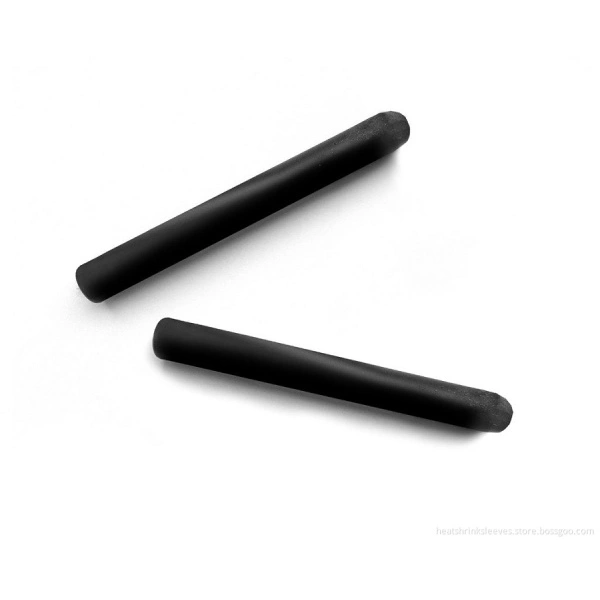
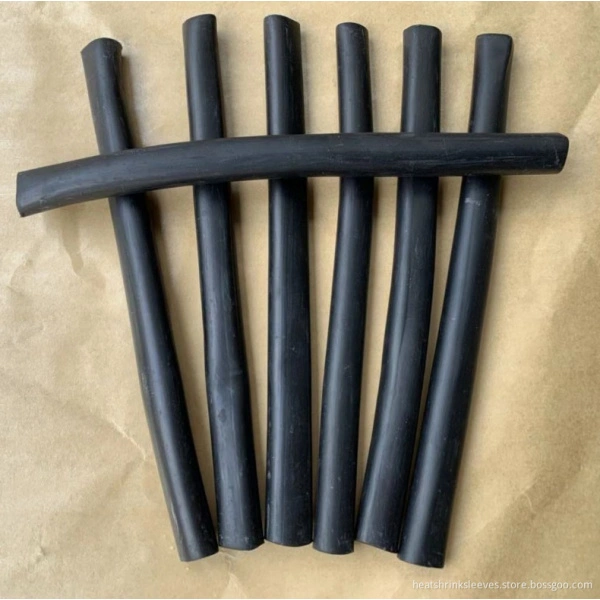
Melt Stick, also known as polyethylene melt adhesive stick, is a thermoplastic bonding agent designed specifically for pipeline coating systems. It serves as the critical primer layer that ensures a permanent, monolithic bond between steel pipe surfaces and external protective coatings such as 3LPE (three-layer polyethylene), 3LPP, or heat shrinkable sleeves.
When heated during installation, the melt stick softens into a viscous liquid that penetrates microscopic surface irregularities on the steel pipe. As it cools and solidifies, it forms an extremely strong adhesive interface that prevents disbondment, moisture ingress, and cathodic disbondment under harsh operating conditions. This technology eliminates weak points in pipeline protection systems where corrosion could compromise structural integrity over decades of service.
For procurement teams managing large-scale pipeline projects, understanding the role of melt adhesive sticks is essential. The quality of this intermediate bonding layer directly determines whether your pipeline coating system will perform reliably for 30 to 50 years underground, underwater, or in extreme environmental conditions. Selecting the right melt stick specification ensures compliance with international standards such as SY/T 0415, ISO 21809, and DNV recommendations.
Sichuan Forever Radiation Technology Co., Ltd operates as the National Radiation Crosslinking Heat Shrinkable Material Technology Center, bringing decades of advanced materials engineering expertise to every batch of melt adhesive produced. As the birthplace of China's radiation crosslinking materials, our facility inherits cutting-edge nuclear technology and accelerator capabilities from the China Academy of Engineering Physics (CAEP).
This heritage translates directly to superior product consistency and performance. Our melt sticks are manufactured using precision-controlled extrusion processes with raw materials sourced from verified suppliers. Each production run undergoes rigorous quality testing including melt flow index verification, adhesion strength measurement, thermal stability assessment, and chemical composition analysis before shipment.
Our integrated manufacturing approach means we control every stage from polymer compound formulation through final packaging. This vertical integration ensures traceability, reduces supply chain risk, and guarantees that every melt stick you receive meets the exact specifications required by your project engineers and coating contractors.
Selecting the correct melt adhesive stick specification requires matching material properties to your specific pipeline application, coating system design, and environmental exposure conditions. The wrong choice can lead to coating disbondment, accelerated corrosion, and costly pipeline failures that far exceed the initial savings from cheaper alternatives.
Standard melt sticks handle operating temperatures up to 70°C. For high-temperature applications such as hot oil pipelines or geothermal installations, specify high-temperature grade melt adhesive capable of withstanding 90°C or higher without softening or degradation.
Verify that the melt stick meets minimum peel adhesion requirements per SY/T 0415 or equivalent standards. Look for products tested at both room temperature and elevated temperatures to ensure performance across all expected service conditions.
Ensure the melt stick is chemically compatible with your specified coating type—whether 3LPE, 3LPP, cold applied tape, or heat shrinkable sleeve. Incompatible combinations create weak interfaces that fail under thermal cycling or mechanical stress.
Require manufacturers to provide third-party test reports and certifications demonstrating compliance with relevant pipeline coating standards. Products backed by independent verification reduce procurement risk and simplify engineering approval processes.
Use this comprehensive checklist to evaluate potential melt adhesive stick suppliers and ensure your procurement decisions minimize technical risk while meeting project specifications and budget constraints.
When sourcing melt adhesive sticks for critical pipeline infrastructure, selecting a supplier with deep technical expertise, proven manufacturing capability, and comprehensive product range delivers measurable advantages throughout your procurement lifecycle.
As the National Radiation Crosslinking Heat Shrinkable Material Technology Center and birthplace of China's radiation crosslinking materials, we bring unparalleled scientific rigor and materials science expertise to every product we manufacture.
Beyond melt adhesive sticks, we supply the full spectrum of pipeline protection materials including 3LPE/3LPP heat shrinkable sleeves, cold applied tapes, epoxy primers, repair patches, and specialized installation tools—simplifying your supply chain.
We offer independent third-party inspection services alongside our products, providing additional verification layers that give your engineering teams confidence in material performance and streamline project approval processes.
Sourcing from a vertically integrated manufacturer with CAEP heritage reduces your total procurement risk. You gain access to consistent quality, competitive pricing without middleman markups, technical support grounded in actual manufacturing experience, and the ability to consolidate multiple material purchases with a single trusted supplier.
Pipeline procurement professionals frequently encounter challenges when sourcing melt adhesive sticks. Understanding these common pitfalls and their solutions helps you avoid costly mistakes and ensure reliable coating performance.
Problem: Low-quality melt adhesive fails to form adequate bonds between steel pipe and outer coating, leading to disbondment under thermal cycling or soil movement. This exposes bare steel to corrosive environments and accelerates pipeline degradation.
Solution: Specify melt sticks with verified adhesion strength meeting SY/T 0415 requirements. Require third-party test reports showing peel adhesion values at both ambient and elevated temperatures. Source from manufacturers with documented production consistency rather than price-focused traders.
Problem: Using standard-grade melt adhesive on high-temperature pipelines causes the bonding layer to soften or degrade during operation, compromising the entire coating system. This is particularly common in hot oil, steam, or geothermal pipeline applications.
Solution: Always match melt stick temperature rating to your pipeline's maximum operating temperature plus a safety margin. Specify high-temperature grade melt adhesive for applications exceeding 70°C. Confirm compatibility with your coating contractor's recommended system design.
Problem: Different production batches show varying adhesion performance, melt flow characteristics, or visual appearance. This inconsistency makes it impossible to guarantee uniform coating quality across a pipeline project and complicates quality assurance documentation.
Solution: Order all melt adhesive from a single production lot whenever possible for large projects. If multiple lots are unavoidable, request batch-specific test certificates and conduct incoming quality verification before acceptance. Work with manufacturers who maintain tight process controls and batch-to-batch consistency records.
Problem: Melt adhesive sticks stored in high-temperature environments, exposed to direct sunlight, or left unpackaged absorb moisture and degrade before use. This results in poor adhesion performance even with otherwise quality products.
Solution: Specify suppliers who package melt sticks in moisture-resistant, UV-protected wrapping. Store delivered material in cool, dry conditions away from direct sunlight. Use material within the manufacturer's stated shelf life and verify condition upon receipt before installation.
Melt adhesive sticks are fundamental components across virtually every segment of the pipeline industry, serving as the invisible bonding layer that enables long-term corrosion protection for critical infrastructure. Their applications span from municipal gas distribution networks to transcontinental oil and gas transmission corridors.
Long-distance crude oil, refined products, and natural gas transmission pipelines rely on melt adhesive sticks within 3LPE and 3LPP coating systems to protect against soil corrosion, moisture ingress, and cathodic disbondment over 30+ year service lives.
Horizontal directional drilling (HDD) installations require specially formulated melt adhesive sticks that withstand the mechanical stresses of pull-back operations while maintaining bonding integrity through soil friction and ground movement.
Offshore pipeline applications demand melt adhesive sticks with exceptional resistance to hydrostatic pressure, seawater immersion, and marine environment corrosion. These specialized formulations ensure coating systems survive decades of subsea service.
Pre-insulated district heating pipes use melt adhesive sticks to bond insulation layers to steel carrier pipes, maintaining thermal efficiency and preventing water infiltration that would degrade insulation performance and cause energy losses.
Large-diameter water transmission and wastewater collection pipelines benefit from melt adhesive-based coating systems that protect against aggressive soil chemistry, microbial attack, and long-term groundwater exposure.
Field repair of damaged pipeline coatings uses melt adhesive sticks combined with heat shrinkable repair sleeves to restore corrosion protection at girth welds, joint connections, and areas of coating damage encountered during construction or operation.
These answers address the most common questions procurement professionals and pipeline engineers ask when sourcing melt adhesive sticks for coating systems.
Epoxy primers are liquid-applied coatings used primarily for bare steel surfaces before any outer coating. Melt adhesive sticks are solid thermoplastic rods applied in a molten state between the steel surface and thermoplastic outer coatings like polyethylene or polypropylene. Both serve as bonding intermediaries, but melt sticks are preferred for heat shrinkable sleeve and extruded polyethylene systems because they provide thicker, more uniform adhesive layers that better accommodate surface irregularities and thermal expansion differences between steel and plastic coatings.
Consumption depends on pipe diameter, desired adhesive layer thickness, and application method. Typical consumption ranges from 80 to 200 grams per square meter of coated surface area. For practical estimation, a 6-inch (DN150) pipeline typically requires approximately 0.5 to 0.8 kg of melt adhesive per meter of coating, while larger diameter pipelines may require 1.5 to 3 kg per meter. Your coating contractor can provide precise consumption rates based on your specific pipe dimensions and coating design specifications.
Yes, certain melt adhesive formulations are compatible with cold applied tape systems. However, compatibility must be verified with the specific tape manufacturer and product line. Some cold applied tapes use self-adhesive backing compounds that function independently, while others require a separate melt adhesive primer layer for optimal bonding. Always confirm with your coating system supplier which configuration is recommended for your specific application and environmental conditions.
Properly packaged melt adhesive sticks typically have a shelf life of 12 to 24 months from the date of manufacture when stored under recommended conditions. Storage requirements include: temperatures between 5°C and 35°C, relative humidity below 70%, protection from direct sunlight and UV exposure, and elevation off the ground on pallets to prevent moisture absorption. Never store melt adhesive sticks outdoors or in unconditioned warehouses where temperature fluctuations are extreme. Check expiration dates upon receipt and reject any material showing signs of degradation, discoloration, or moisture damage.
Melt adhesive sticks are commonly applied using open flame torches (propane or natural gas), induction heaters, or infrared heating elements. Open flame application is the most widely used method due to equipment availability and operator familiarity, requiring skilled technicians to achieve uniform melting without overheating. Induction heating provides more controlled, consistent results and is increasingly adopted for high-volume production lines. Infrared heating offers precise temperature control suitable for sensitive applications. The key requirement is achieving a uniform molten layer at the correct temperature—typically 180°C to 220°C depending on the specific melt adhesive formulation—without degrading the material.
Yes, we offer comprehensive OEM heat shrinkable material services including custom-formulated melt adhesive sticks tailored to your specific project requirements, coating system specifications, and regional standards. Our R&D team can develop customized formulations addressing unique temperature requirements, adhesion specifications, or environmental conditions. We support private labeling, custom packaging configurations, and flexible order quantities to accommodate both large infrastructure projects and smaller regional requirements.
About Us
Related Products List
Contact Us

Privacy statement: Your privacy is very important to Us. Our company promises not to disclose your personal information to any external company with out your explicit permission.
Fill in more information so that we can get in touch with you faster
Privacy statement: Your privacy is very important to Us. Our company promises not to disclose your personal information to any external company with out your explicit permission.